
NON-PEER-REVIEWED VIDEO ESSAYS
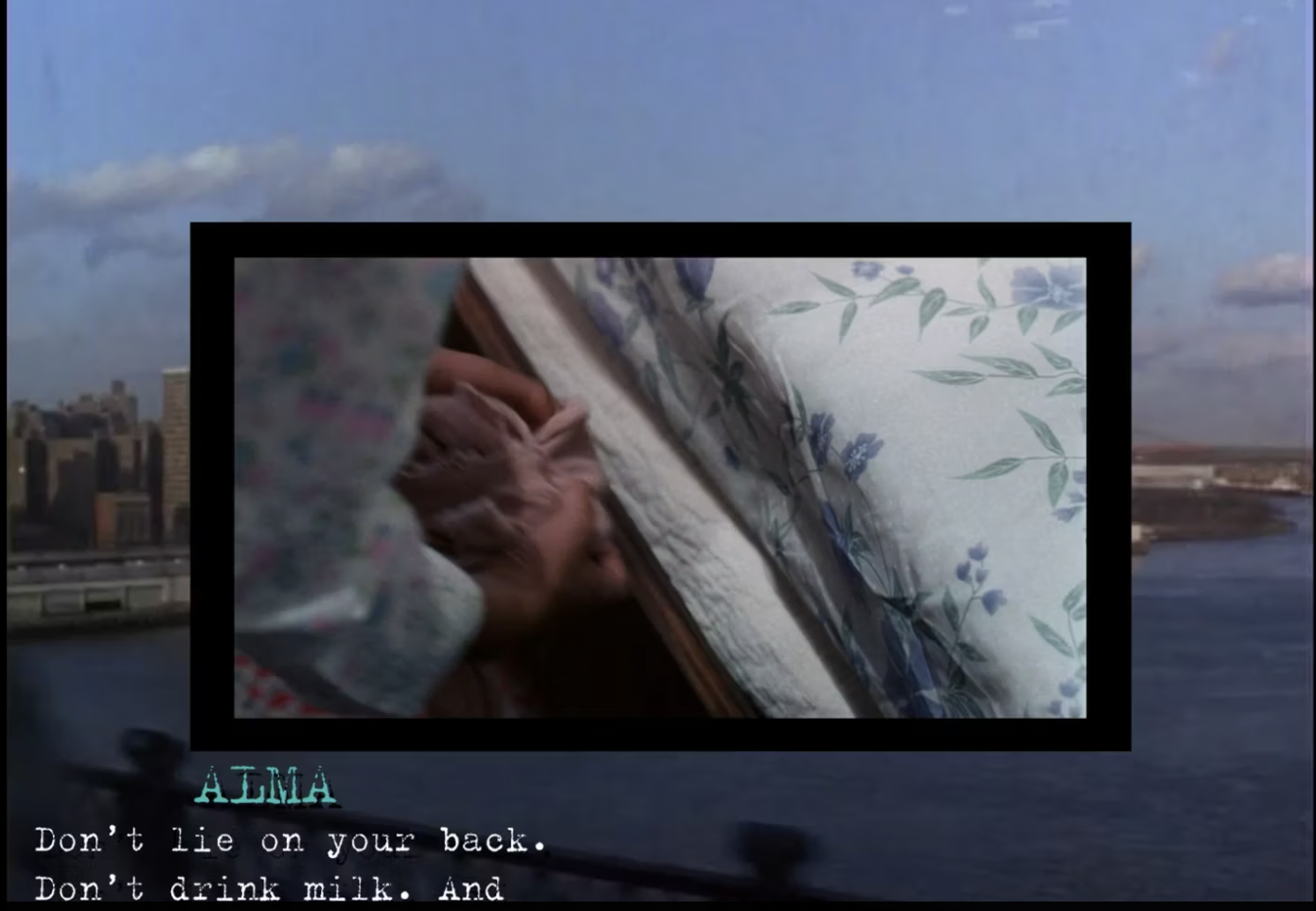
Performing the Future Now | 6:57
This video essay was presented with the paper "Black Girlhood Aesthetics & the Politics of Prefiguration" at the seminar Girlhood Aesthetics: Coming of Age in the Cultural Imaginary.
American Comparative Literature Association 2025 Conference
The Fits: A Structure of Feelings (2024 version) | 10:00
BFI Sight & Sound Best Video Essays of 2024
This video essay was presented with the paper "Shaping Experience, Showing Seeing: Videographic Practice and the Cinesthetic Black Subject" on the Cinematic Bodies/Videographic Forms panel.
Society for Cinema Studies 2024 Conference
In this video essay, I build on phenomenological models of cinematic experience to think sensorially about the place and affective attributes of blackness in the “black” film and video essay.
What roles do historical and present sensorial constructions of blackness play in theorizing the expressive and perceptive dimensions of “black” film, viewer, and videographic bodies? What alternative kinds of knowledge about blackness in cinema might the creative practice of videographic criticism provide? Using Anna Rose Holmer’s 2015 film The Fits as a case study, this video essay takes up these questions by exploring connections between the materiality of its filmic components and mechanisms, the embodied manipulation of its audiovisual data, and the breathing, gazing, imagining, and moving body of its prepubescent protagonist Toni (Royalty Hightower).
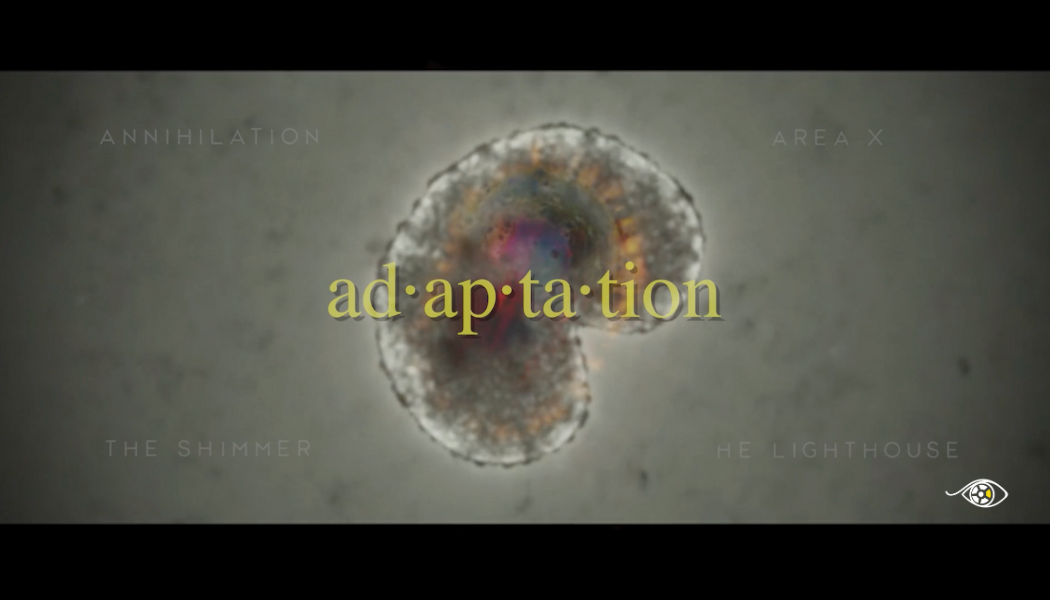
ad-ap-ta-tion | 1:02
This micro-video essay uses Alex Garland's 2018 film Annihilation for its contribution to the collaborative project, The Essay Library Anthology Vol. 7. The theme is "adaptation." It premiered on Saturday, June 15, 2024.
Compilation link: youtu.be/RqqJ90yqJyo
Playlist version: youtube.com/playlist?list=PLRuGAa254s9OIFH8GdHqoTQZDu-j38j_l
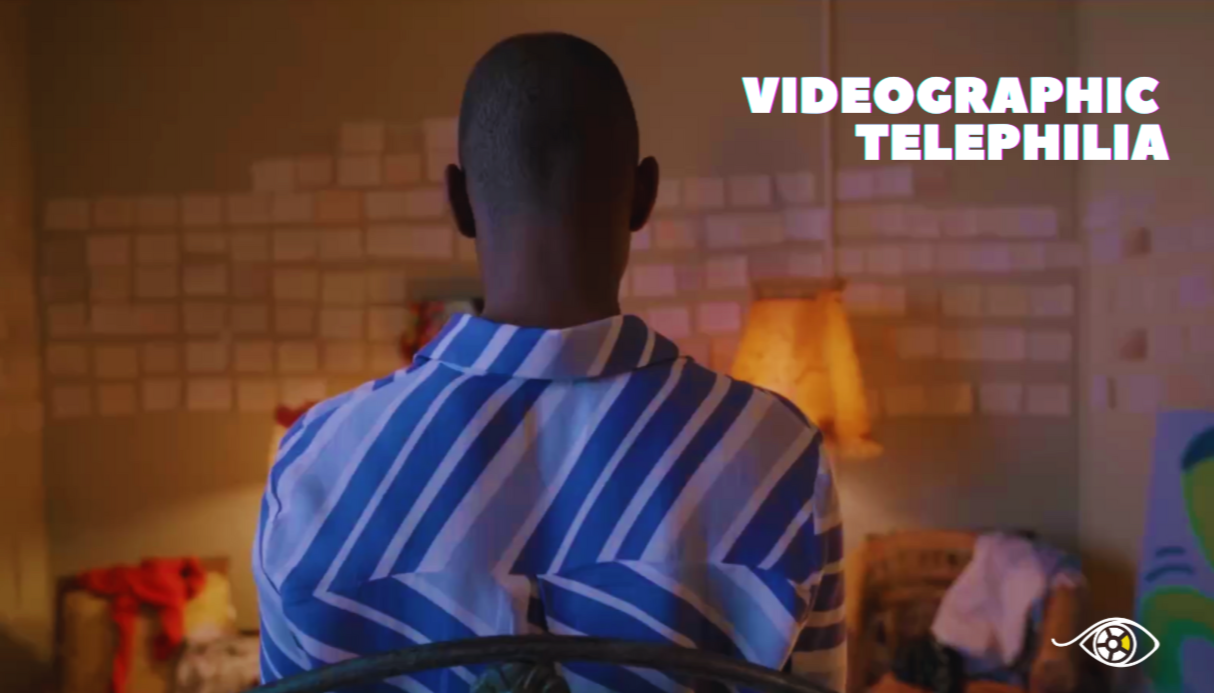
Videographic Telephilia: I May Destroy You | 1:39
I made this video essay for the SCMS 2023 Videographic Telephilia seminar. It looks at Michaela Cole’s compelling television series “I May Destroy You,” and considers the nonlinearity of sexual trauma recovery alongside nonlinear access to episodes on streaming platforms.
Finding closure after a traumatic event isn't a clear process of getting from Point A to Point B; it's often circuitous and elusive. Most streaming platforms provide us with opportunities to watch as many episodes as we want...whenever we want...in whatever order we want. This video essay uses editing to explore those nonlinear parallels between Arabella's process of trauma recovery and HBO's curated streaming content.
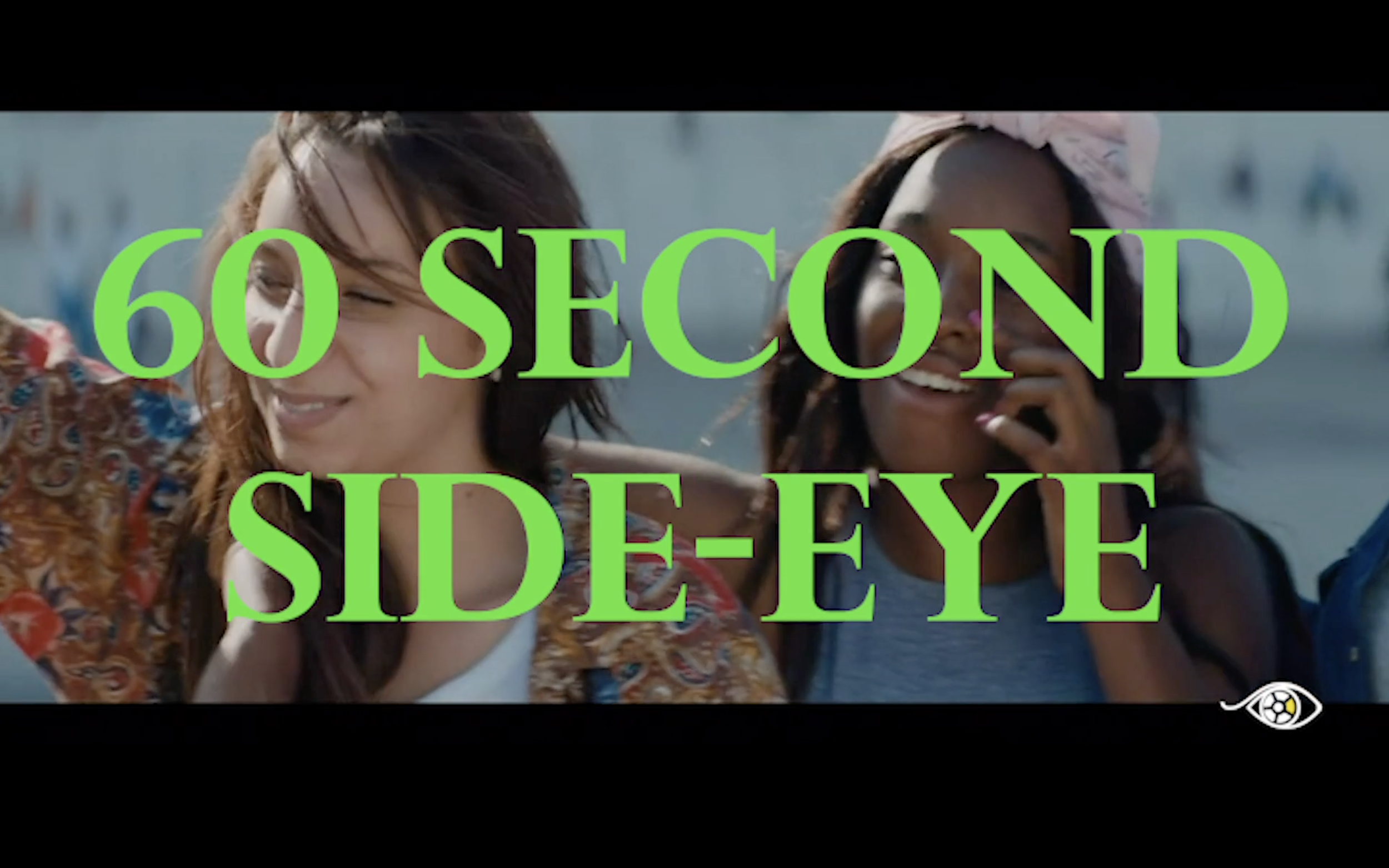
60 Second Side Eye // Bande de filles (2014) | 1:57
The goal of this visual essay is to experience and understand the world as Lady, Fily, Adiatou, and Marieme do as they make their way home.
---
60 Second Side-Eye started as an experiment. Well, an experiment and a challenge: what new knowledge or ways of seeing blackness emerge when we concentrate on the intimate, everyday moments of black girl experiences?
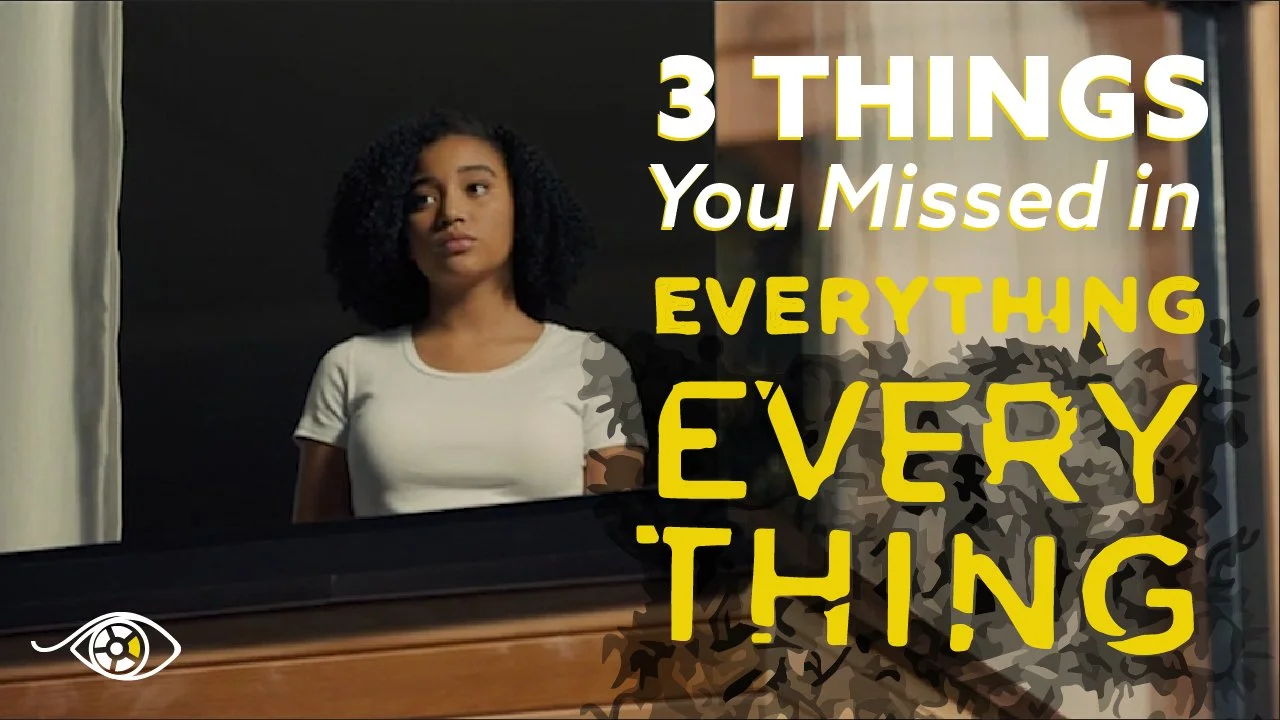
in retrospect: everything, everything (2017) | 9:59
These days, self-isolation and social distancing are the new normal. This video essay looks at framing, the use of color, and fantastic realism in Everything, Everything (Stella Meghie, 2017), a romantic teen drama about a girl with a severe immunodeficiency disorder, living in protective isolation, who finds herself after finding romance. It also explores how gendered biases against girl-centric stories train us to devalue films about girls’ lives.
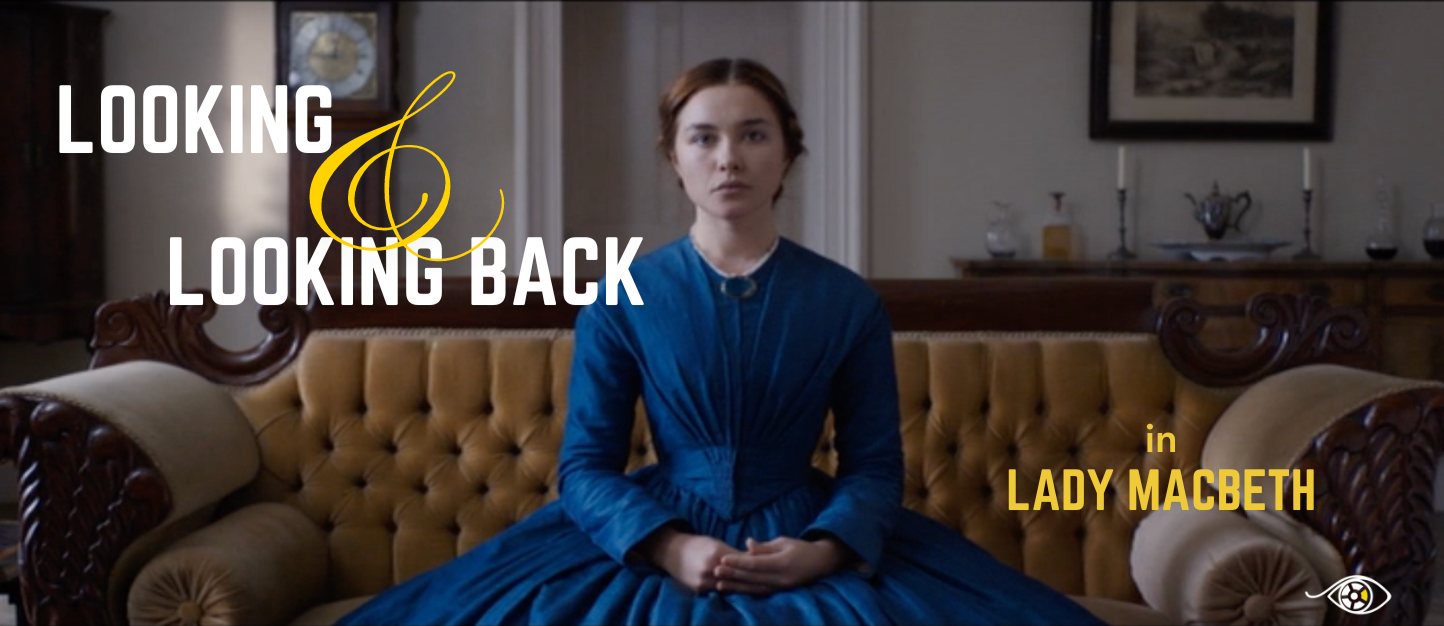
Looking & Looking Back | 3:27
William Oldroyd’s LADY MACBETH (2016) is largely praised as a feminist film by critics, despite its heroine's gross mistreatment of another woman.
This video essay explores the act of looking in LADY MACBETH.
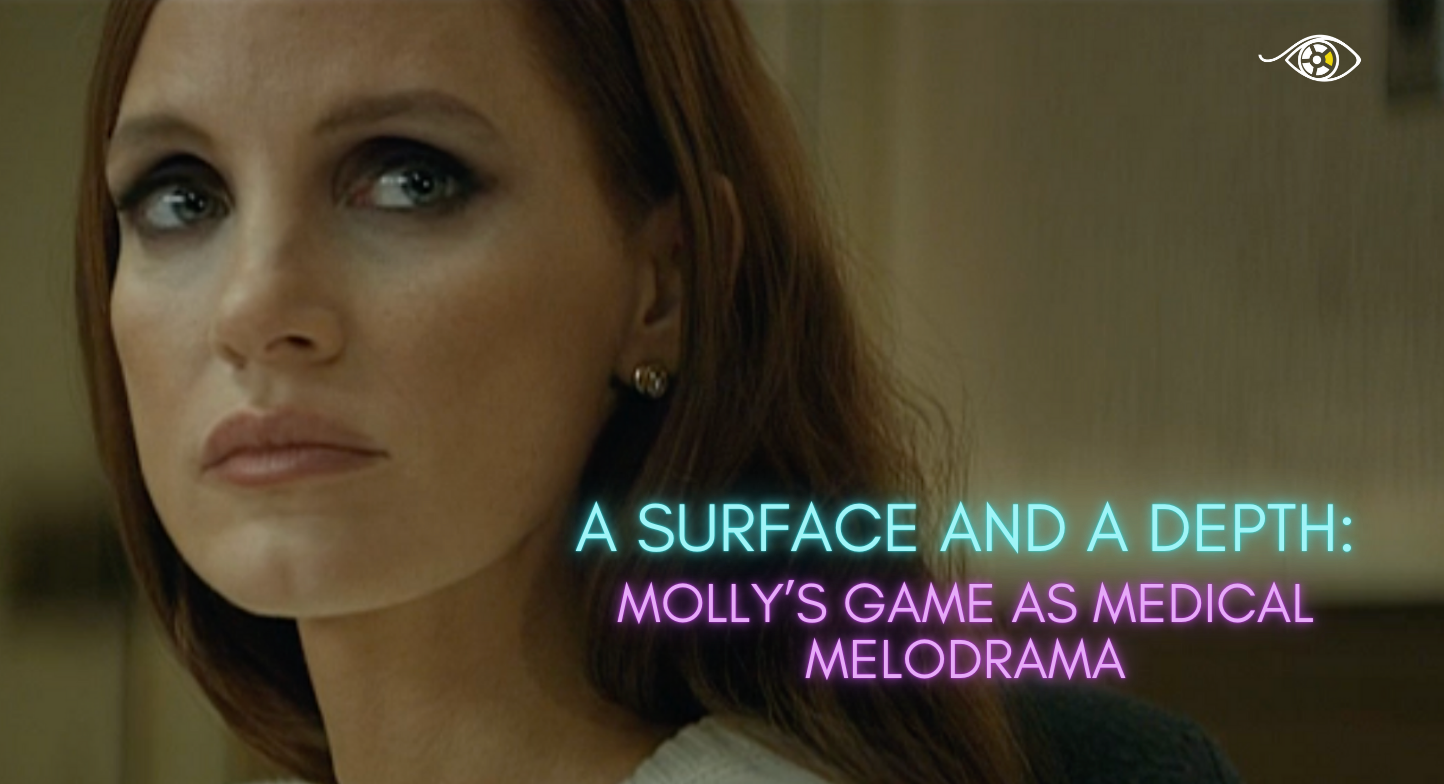
A Surface and a Depth | 3:39
This video essay examines correspondences between the female protagonist of Molly’s Game (Aaron Sorkin, 2017) and medical discourse “woman’s films” of the 1940s. Using feminist film scholarship, it analyzes how Molly Bloom (Jessica Chastain), the mastermind behind an elite poker game, is constructed as a sick subject in need of recuperation.
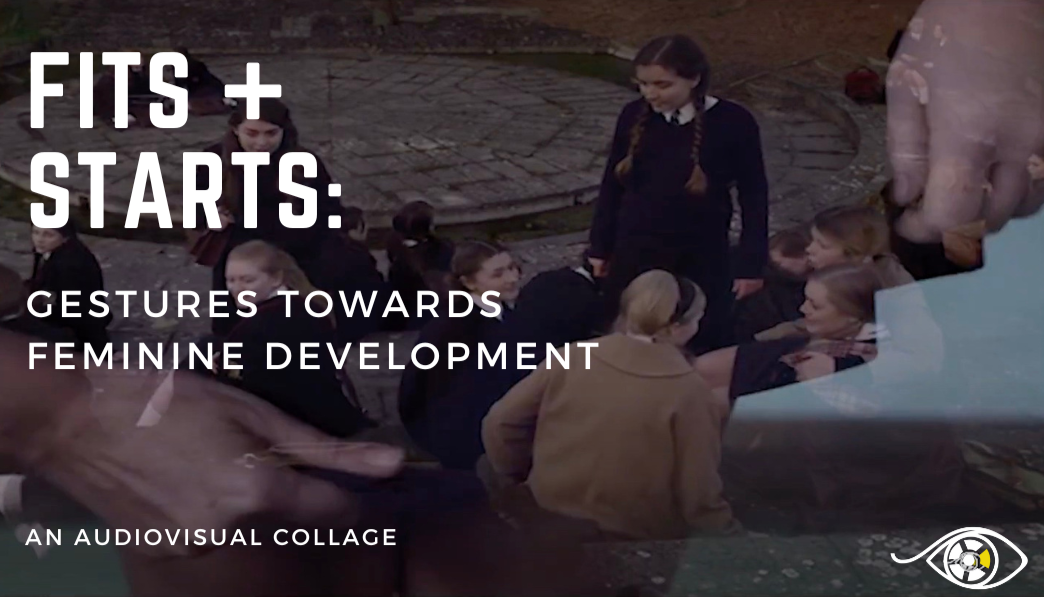
Fits + Starts | 2:02
This video essay explores three films’ representations of hysteria as a disorder affecting teen girls: Picnic at Hanging Rock (Peter Weir, 1975), The Falling (Carol Morley, 2014), and The Fits (Anna Rose Holmer, 2015). It places these works alongside the song “Femininity” as it appears in the 1963 Walt Disney musical Summer Magic (James Neilson). While this juxtaposition of images, sound and text highlights hysteria’s relationship to female sexual maturation and limitations placed on women in male-dominated societies, it also gestures towards its function as a form of strategic, subversive mimicry.
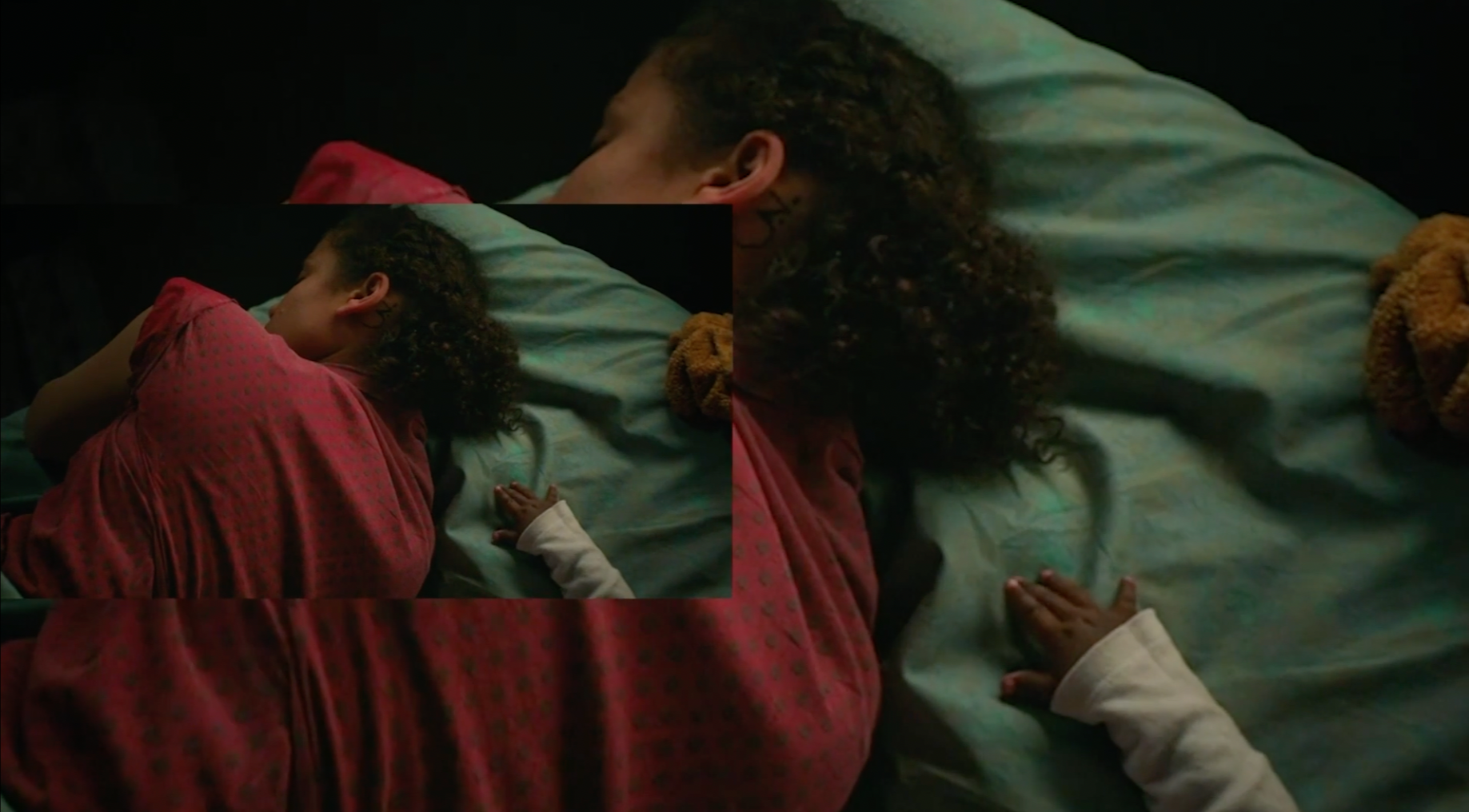
Where is My Mind? | 0:30
Dreams (Theme); Apocalypse (Keyword)
This micro-video essay was created in collaboration with Dayna McLeod (Project Lead), Colleen Laird, Jessie McGoff, Celia Sainz, Caroline Langhorst, and Supriti Malhotra for Ian Garwood's "Indy Vinyl for the Masses" project. Published January 2025.
This open-ended collaborative video essay project explores the relationship between moving images and popular music. https://indyvinyl.gla.ac.uk/indy-vinyl-for-the-masses/.
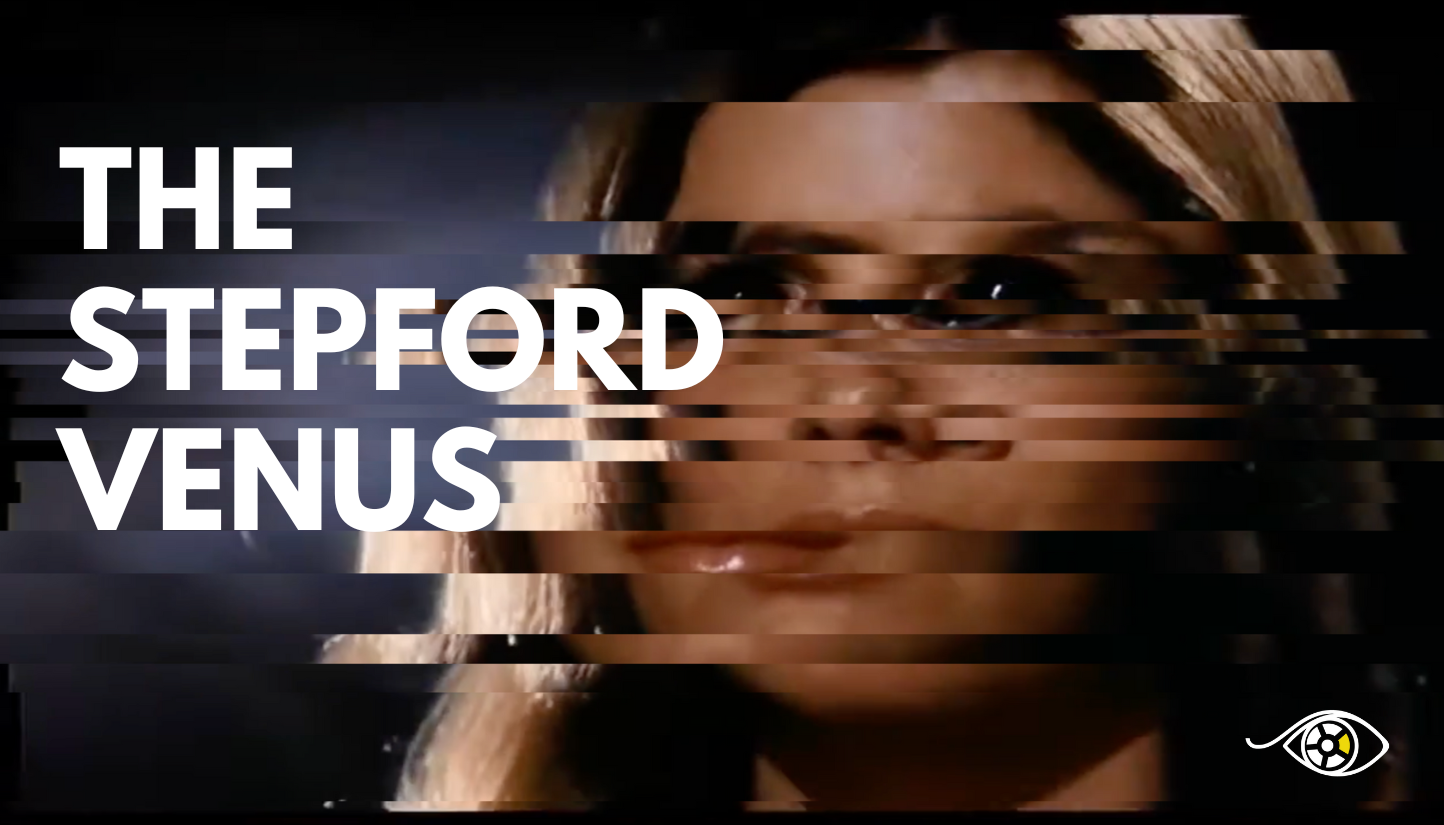
The Stepford Venus | 4:43
Remember The Stepford Wives (Bryan Forbes, 1975)? This video essay concentrates on one of the film's little-known characters and imagines her fate in Stepford.
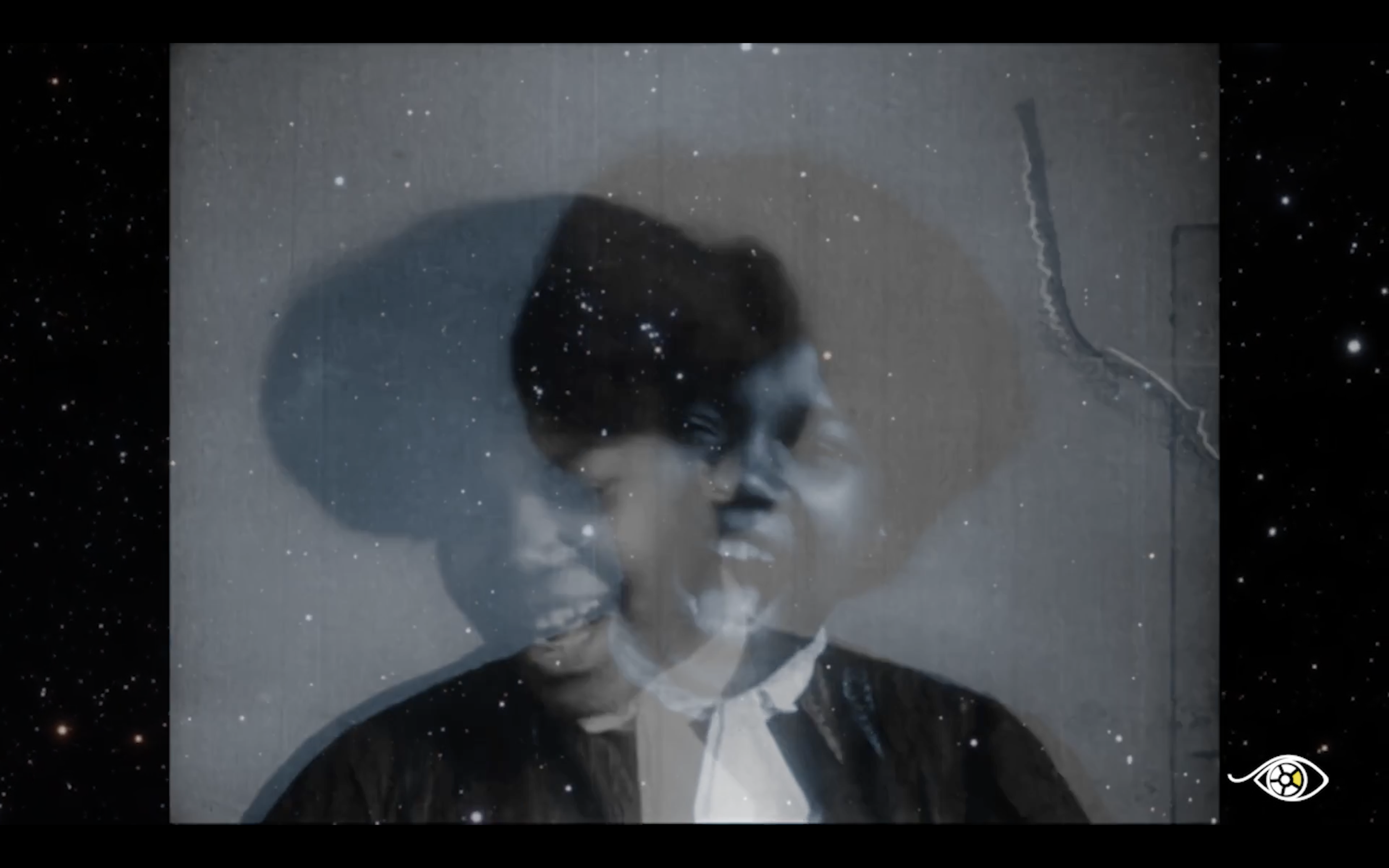
I Love Myself When I am Laughing... | 2:13
An audiovisual meditation on the expansiveness of black joy.
This clip is taken from the 1907 film Laughing Gas (Edwin S. Porter). A woman goes to the dentist for tooth extraction and is given nitrous oxide. Her uncontrollable laughter soon spreads to everyone she meets.
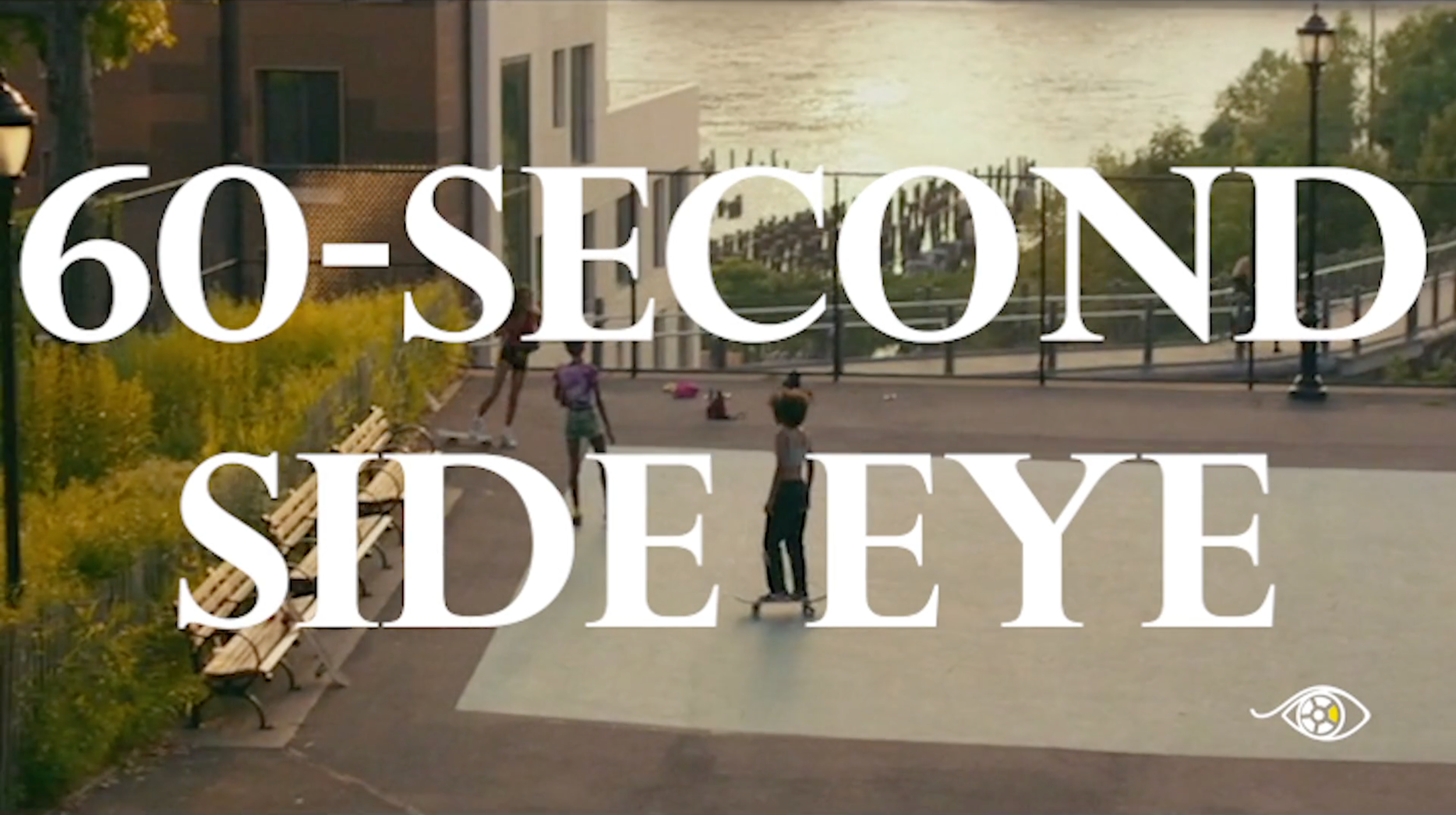
60 Second Side Eye // Skate Kitchen (2018) | 2:36
In her book Wayward Lives, Beautiful Experiments, Saidiya Hartman describes the “chorus” as a group of young women whose radical imaginations offer other ways of seeing and experiencing the world. Their gathering together creates space for open rebellion, black radicalism and refusal, collaboration and transformation.
This 60 Second Side-Eye uses digital illustration to show Hartman’s “chorus” at work in a scene from the 2018 film Skate Kitchen (Crystal Moselle). As the girls share experiences of sexual assault and gaslighting, they hold space for each other and dream up active modes of resistance.
---
60 Second Side-Eye started as an experiment. Well, an experiment and a challenge: what new knowledge or ways of seeing blackness emerge when we concentrate on the intimate, everyday moments of black girl experiences?
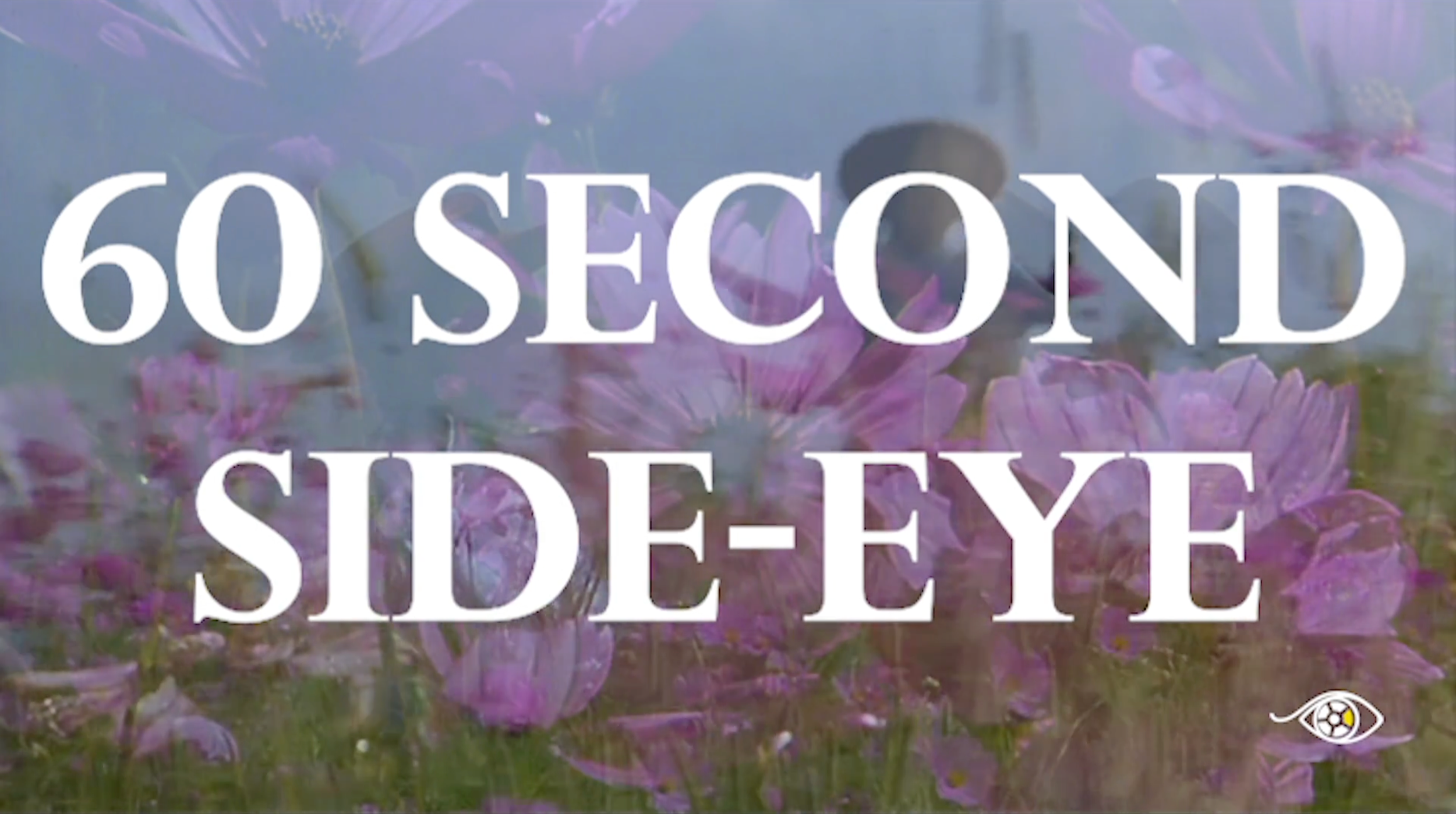
60 Second Side Eye // The Color Purple | 1:39
In this visual essay, I use looping, slowed, and briefly stilled images to extend the duration of Nettie and Celie’s carefree expressions of girlish joy.
---
60 Second Side-Eye started as an experiment. Well, an experiment and a challenge: what new knowledge or ways of seeing blackness emerge when we concentrate on the intimate, everyday moments of black girl experiences?
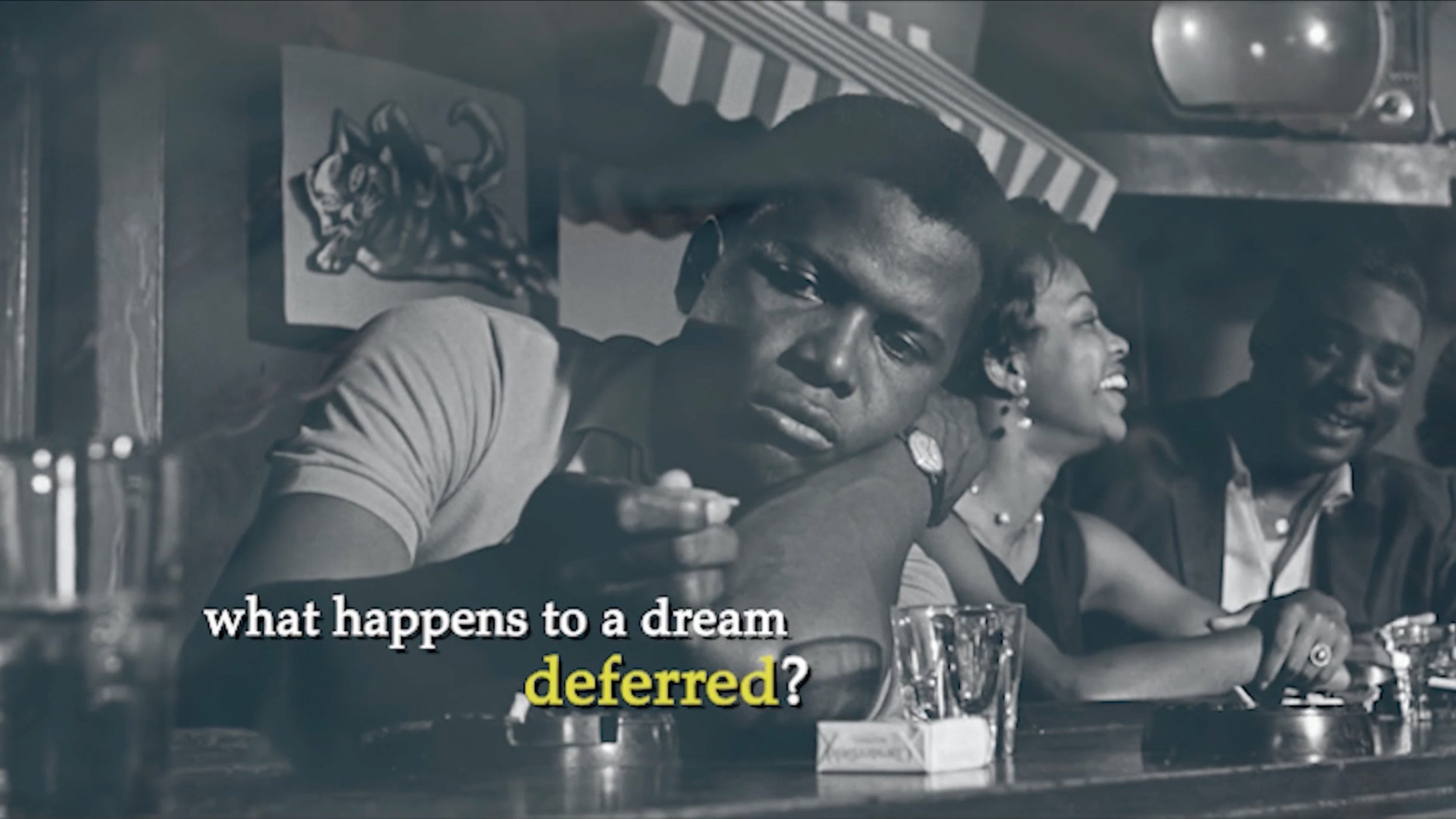
moving poems: a raisin in the sun (1961) | 2:17
Screened in the Cut Together: A Video Essay Gathering program at the Locarno Film Festival 2026.
This video essay places Langston Hughes's poem "Harlem" in direct conversation with the 1961 film adaptation of Lorraine Hansberry's critically acclaimed play "A Raisin in the Sun." Hansberry's work takes its title from Hughes's poem.
I use Evelyn Kreutzer’s “Moving Poems” prompt to “make a short video in which you're pairing a single poem or multiple poems (or parts of a poem) with a single or multiple moving-image media text(s) (a film, a TV show, an online video…).” Kreutzer’s collection can be found here: https://vimeo.com/showcase/9576546.
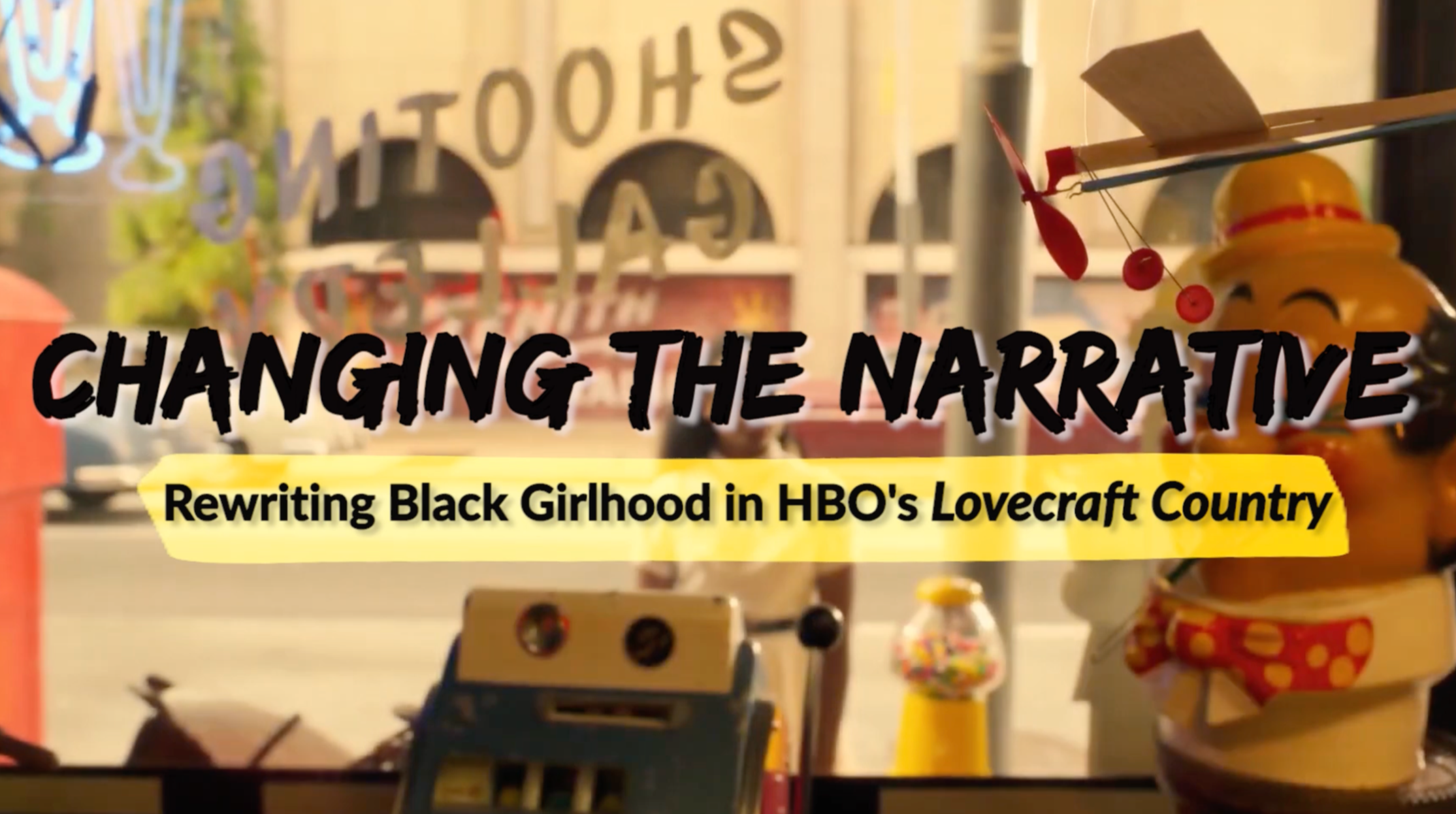
Published in the In Media Res special issue, “Black Identity and Storytelling Inside HBO's ‘Lovecraft Country.’” (February 2021).
This video explores how the overlapping temporalities of Black girlhood depicted in "Jig-a-Bobo" (Lovecraft Country, 2020) perform an expressionistic mode of cinematic thinking that interrupts anti-Black representational practices.
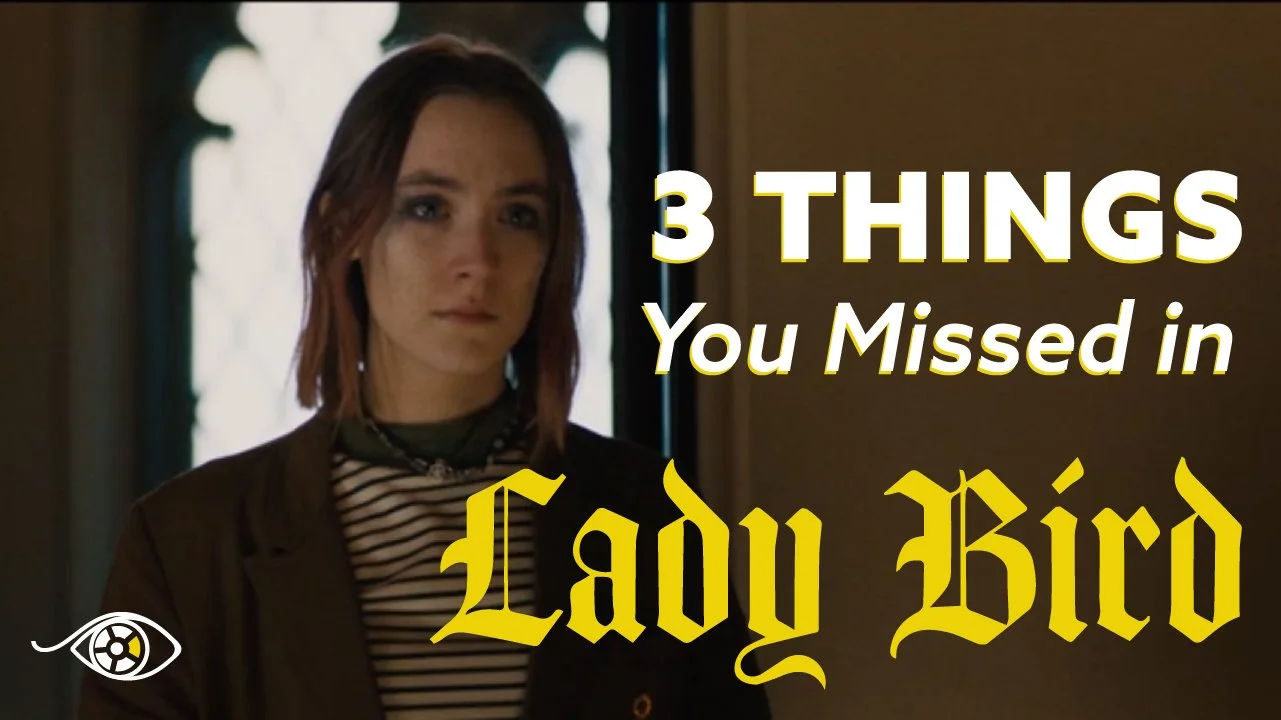
in retrospect: lady bird (2017) | 7:20
Didn’t love Lady Bird (Greta Gerwig, 2017) the first time around?
Neither did we. This video essay takes a closer look at Lady Bird and explores how the idea that “love = attention” makes the film a must-see.
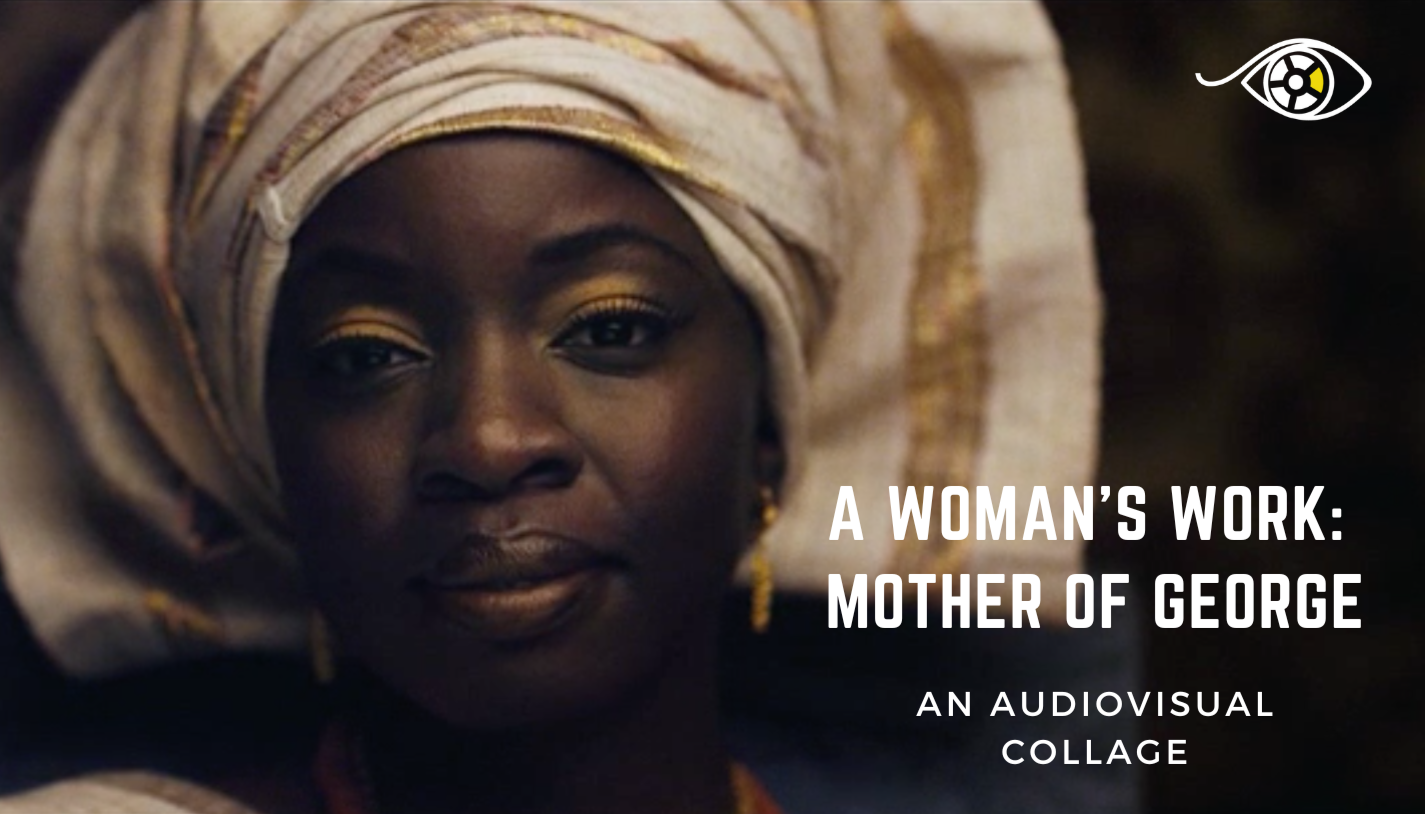
A Woman’s Work is Never Done | 5:06
This video essay looks closely at Mother of George (Andrew Dosunmu, 2013) and it uses Marxist feminist theory to consider the labor a Nigerian newlywed expends while struggling with fertility issues and pressure from her mother-in-law.