
Mapping Black Girl Geographies and Belonging in Canada
Project Description
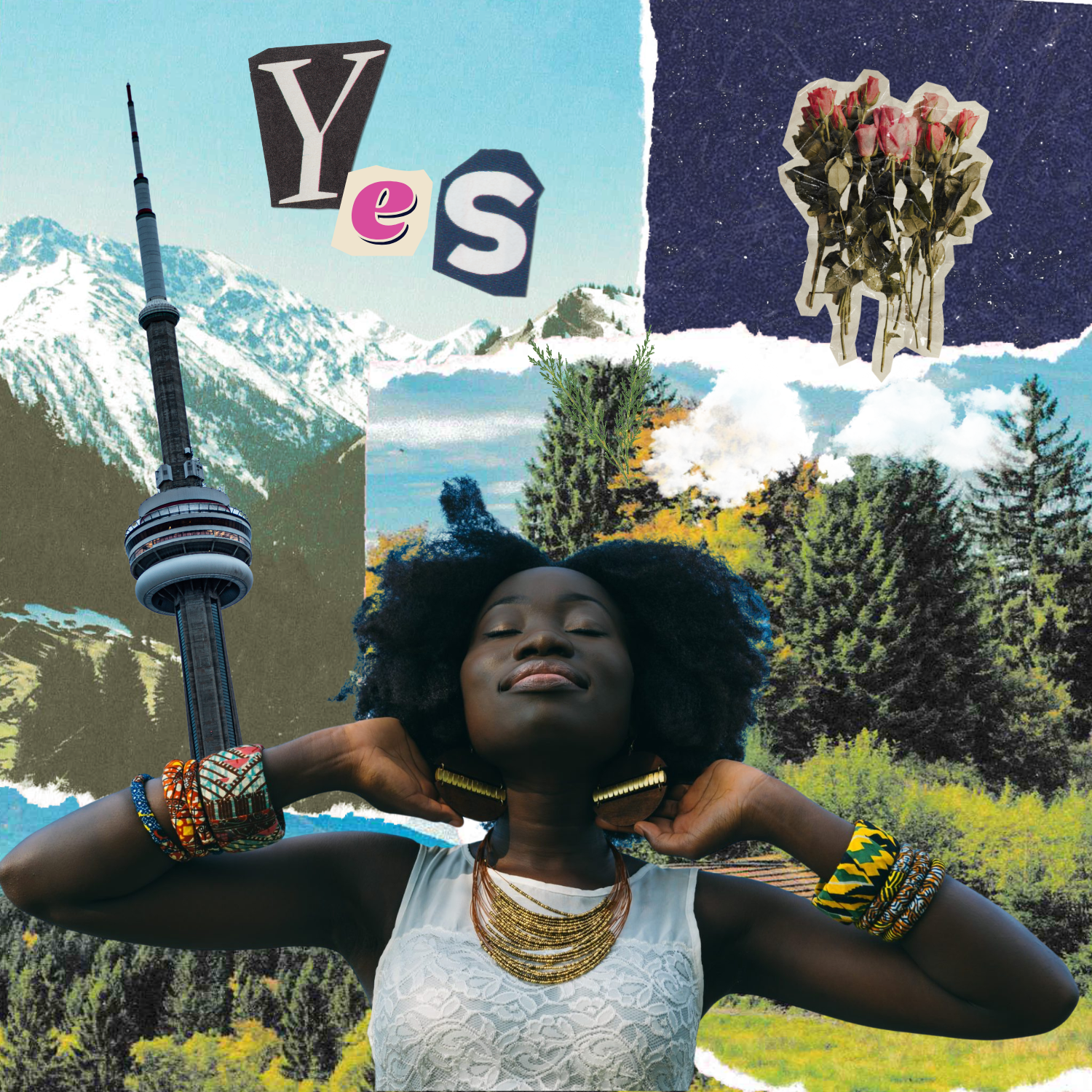
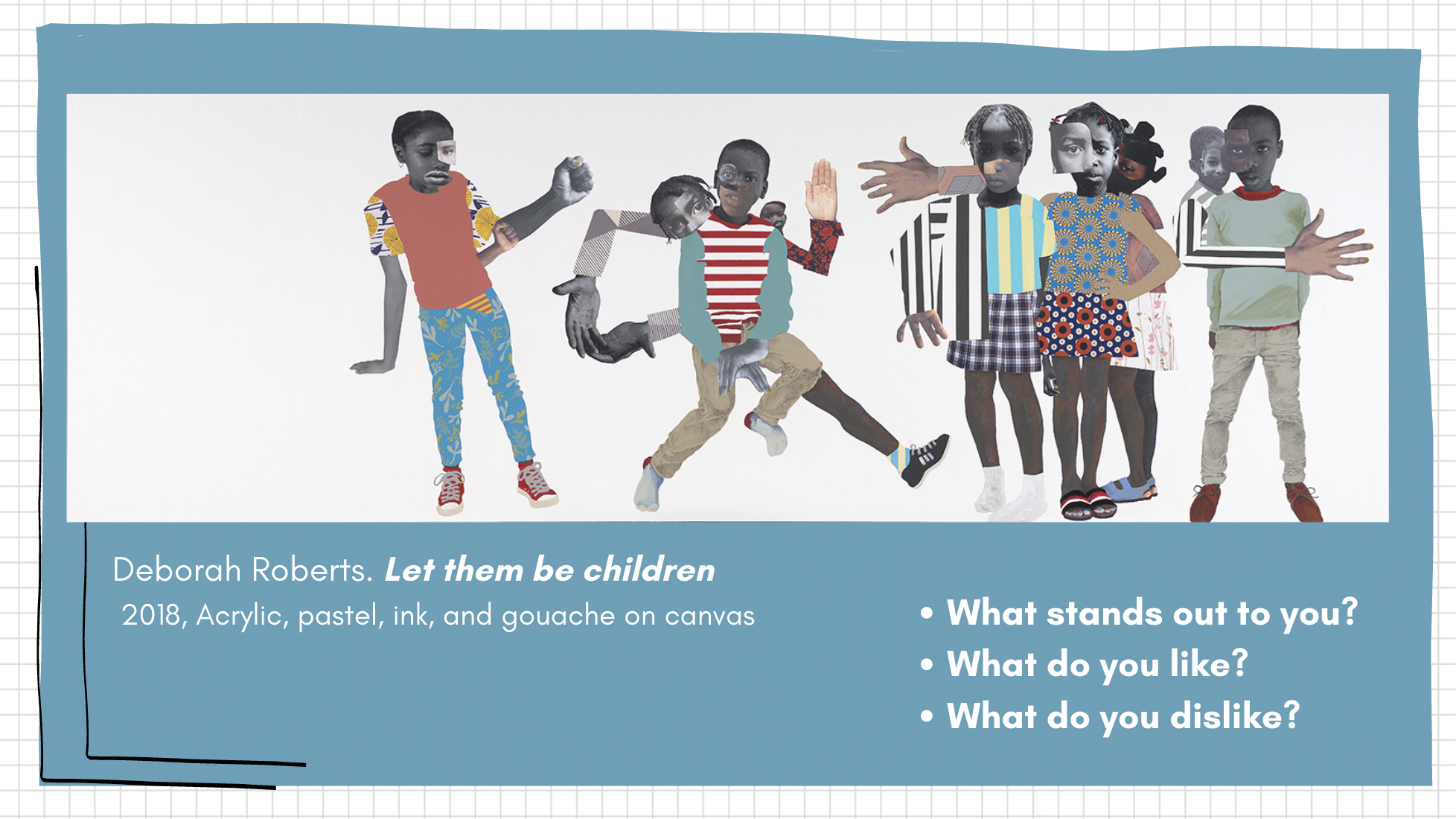
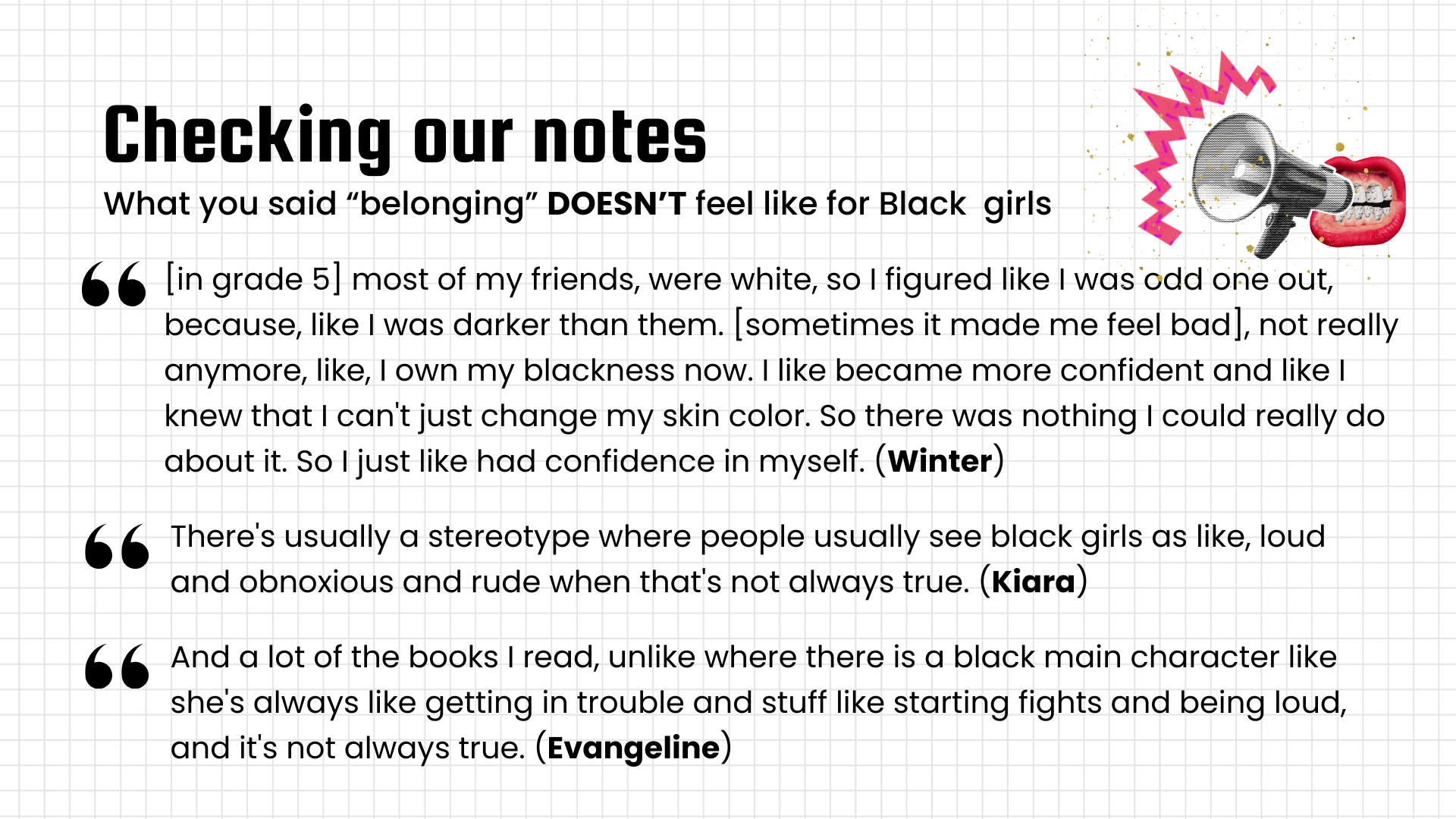
Mapping Black Girl Geographies and Belonging in Canada (2022-2024) is the initial phase of the first Canada-wide academic study of Black girlhoods and national belonging across multiple provinces. The project recruited Black girls (ages 13-19) from the Metro Vancouver and Greater Toronto areas, who created cut-and-paste collages to illustrate both how intersecting geographical, historical, and social impacts and the marginalization of blackness in the national cultural imaginary shape their understanding of what it means to be Canadian.
What is black girlhood?
Black girls, in general, reflect a wide, diverse group of people of African descent who are female-identifying and between the ages of 2 and 19.
For the purposes of this study, references to Black girls refer to culturally diverse groups of girls living in Canada between the ages of 13 and 19 years old who participated in the project and identify as Black, racially and culturally.
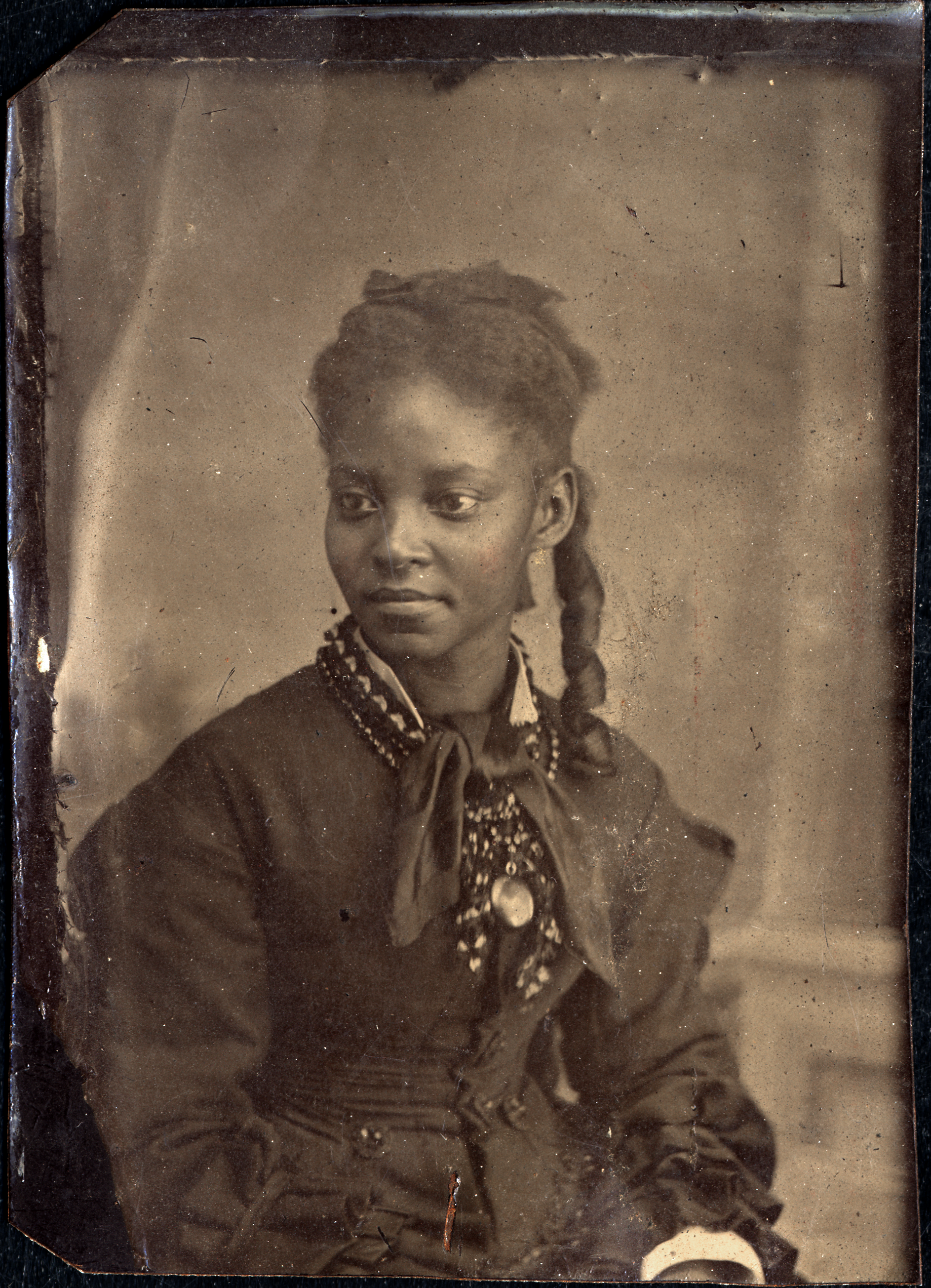
Image credit: Portrait of an Unidentified woman. Courtesy of the Archives of Ontario.
This project received funding from the Social Sciences and Humanities Research Council.
Objectives
Our goal was to identify how the provinces’ different patterns of Black migration, combined with personal family histories and other social factors, influenced how the girls made sense of their world, expressed their identities as Black, Black Canadian, or another hyphenated designation, and created spaces of belonging within majority-white contexts. In doing so, this research prompts a necessary conversation about the criticality of including Black histories and geographies in studies about Canadian lives and experiences.
To teach and equip 18 Black girl co-researchers (9 in Toronto and 9 in Vancouver) to document and analyze intersecting geographical, historical, and social impacts that shape their lived experiences through digital collage production.
To develop, with the girl co-researchers, decolonial practices for exhibition, community-based art collections, and film screenings that reflect each community’s intercultural identity, history, and geography through an intersectional lens.
To assess how the co-researchers’ media creations: (1) perform critical analyses of two major Canadian cities’ racial-spatial framing and Black girls’ exclusion from social definitions of childhood, and (2) produce new knowledges about their lived experiences of intersecting modes of discrimination.
To create an artistic counter-archive that interrogates dominant Canadian girlhood imaginaries, celebrates Black girls’ counter-hegemonic modes of cultural production, and fosters cross-Canadian solidarities between Toronto and Vancouver-based co-researchers.
Surprising Black Geographies
What defines a Black sense of place?
Different histories of migration and immigration create varied experiences of Black geographies in Canada. This diversity should be central to Canadian studies, but too often Black people are treated or conceptualized as a singular racial and cultural entity (Walcott 1999).

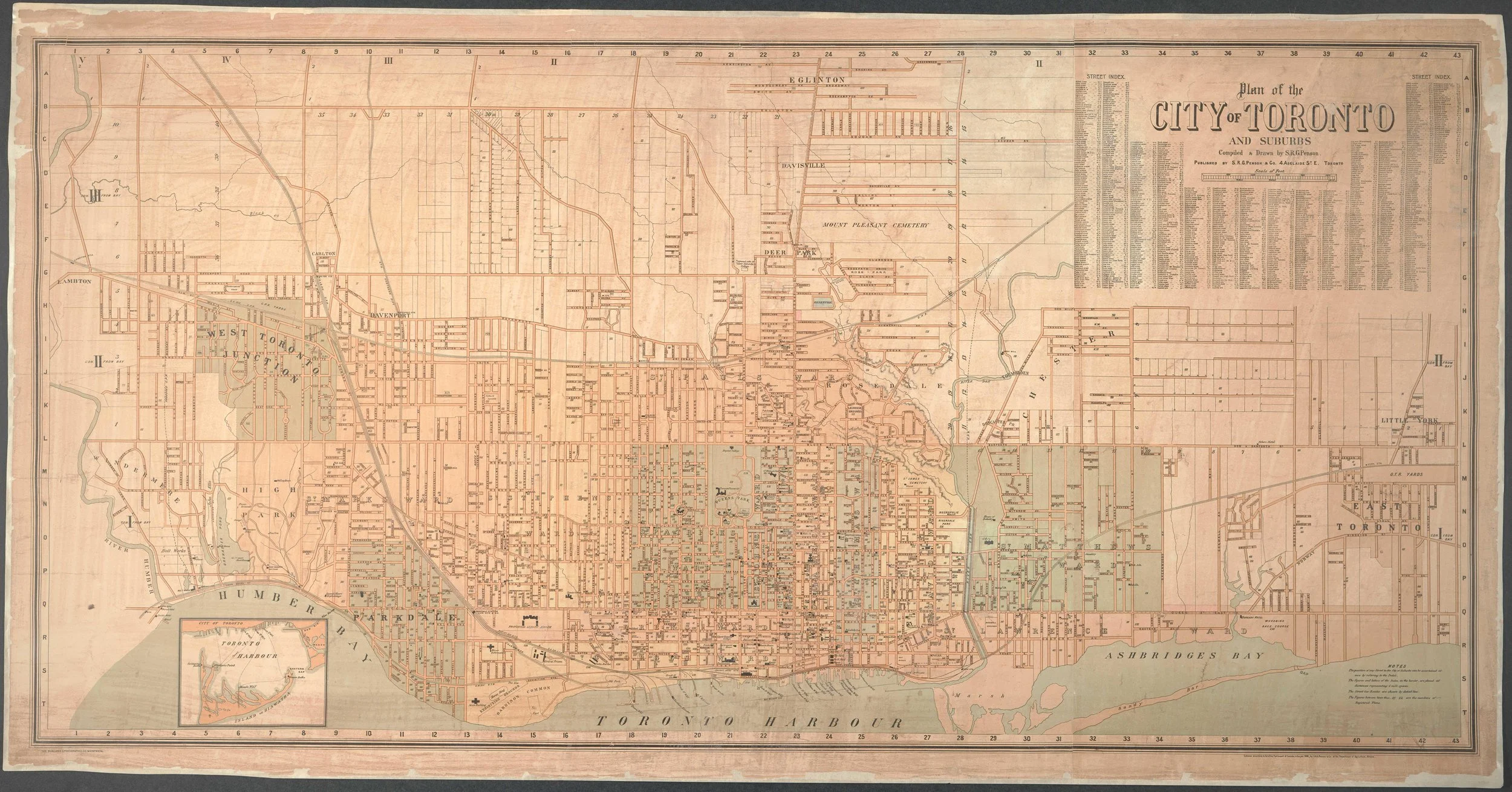
Image credit: Plan of the City of Toronto and Suburbs, City of Toronto Archives
…it is not simply a matter of placing blackness within Canada, or the world; nor is it a matter of superimposing black maps atop the nation-space. Rather, black diaspora theories hold place and placelessness in tension, through imagination and materiality, and therefore re-spatialize Canada on what might be considered unfamiliar terms.
Black discourses and sites of contestation, conflict, and displacement advance a different sense of place, which is tied to alternative geographic agendas: exposed are cartographic impossibilities, surprising black geographies, and black geographic subjects who are otherwise understood as beyond the comprehension of traditional Euro-white geographies and geographers and new analytical sites of social difference and social justice.
Katherine McKittrick, Demonic Grounds, 107
The history of Black life in Canada can be traced to the early 1600’s (Saney 1998). Canada is a region where diverse groups of Black people immigrate, seek refuge, settle, and live. This steady global migration of Black people into Canada has made it a key site within the Black African diaspora (Cooper 2002). As geographic space, Canada reflects global representations of Black people and cultures, converging in a white-dominated settler state, with strong roots in, and continued ties to, the history and legacy of global European theft and occupation (Walcott 1999). Today, colonial legacies of Black displacement in Canada still shape manifestations of social and institutional power in the lives of Black Canadians (Maynard 2017; McKittrick 2006).
Black geographies are an essential part of Canadian geographies and should be intentionally included as part of studies centred around Canadian lives and experiences. To those ends, McKittrick’s outline for Black geographies provides a framework for mapping Black lives’ geographies—place, space, and landscapes—across Black diasporas. “Black matters are spatial matters. And while we all produce, know, and negotiate space—albeit on different terms—geographies in the diaspora are accentuated by racist paradigms of the past and their ongoing hierarchical patterns” (McKittrick, 2006, p. xii). With McKittrick, MBG reinvents conventional, Whitestream understandings of place to illuminate diverse experiences of Black Canadian life, especially girlhood.
Research Team
The project’s first phase was co-led by media artist-scholar Desirée de Jesús (York University), historian of Black children and girls in North America Crystal Webster (University of British Columbia), and Kisha McPherson (Toronto Metropolitan University), an educator who employs community-based approaches to study media and Black youth.
This work was supported by research assistants Chanelle Perrier-Telemaque (York) and Nala Haileselassie (TMU).
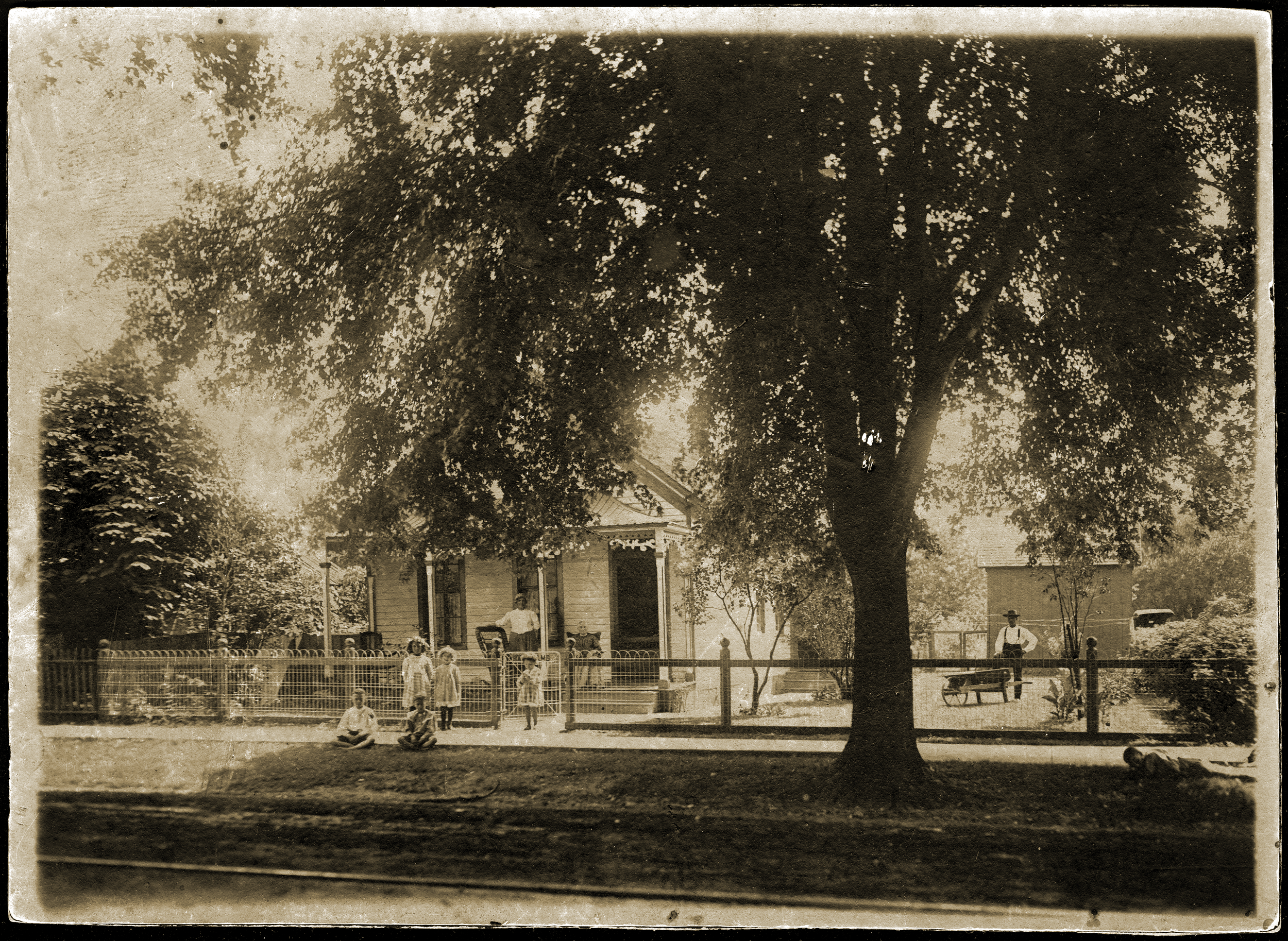
Image credit: Augustus Adams in his front yard, Sandwich, Ontario. Courtesy of the Archives of Ontario.
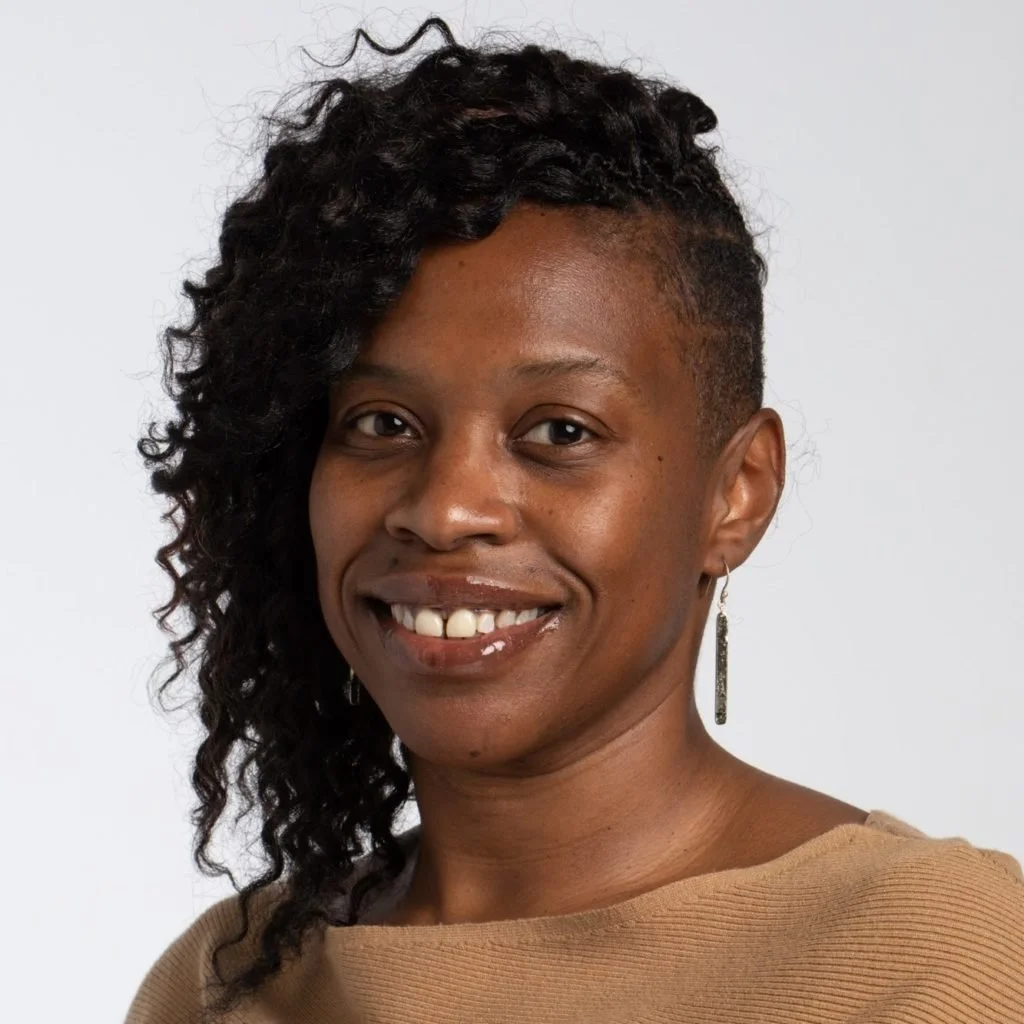
Dr. Kisha McPherson is an educator and scholar with over 20 years of research and teaching experience in critical race, cultural studies, social justice and media education.
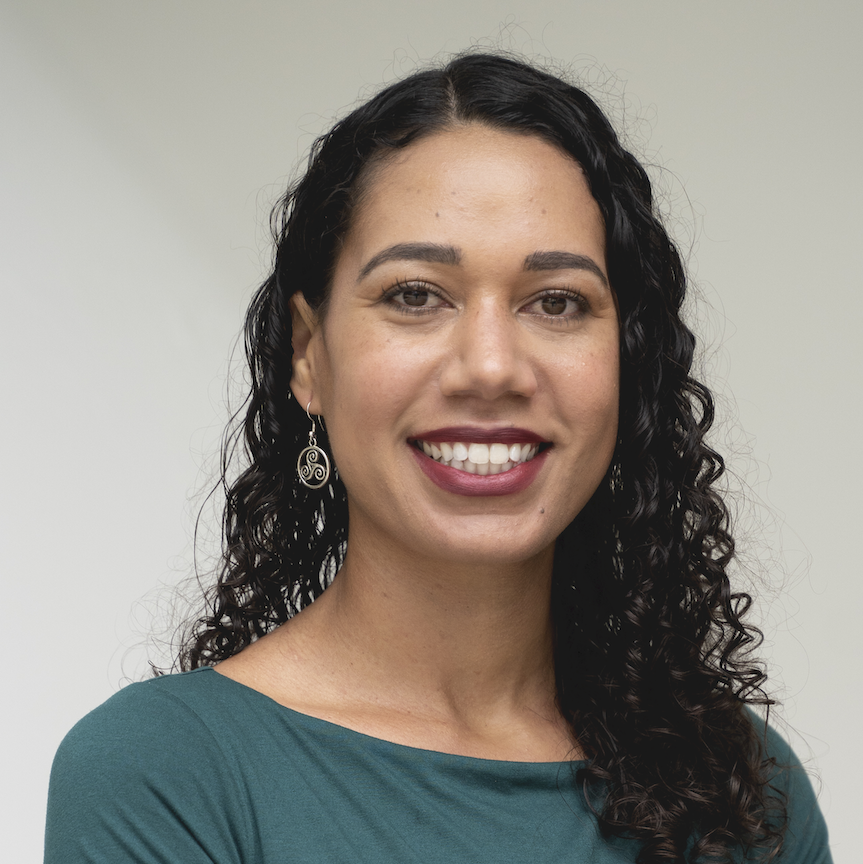

Dr. Crystal Lynn Webster is an award-winning historian, educator, and speaker.
Chanelle Perrier-Telemaque is a doctoral student at York University.
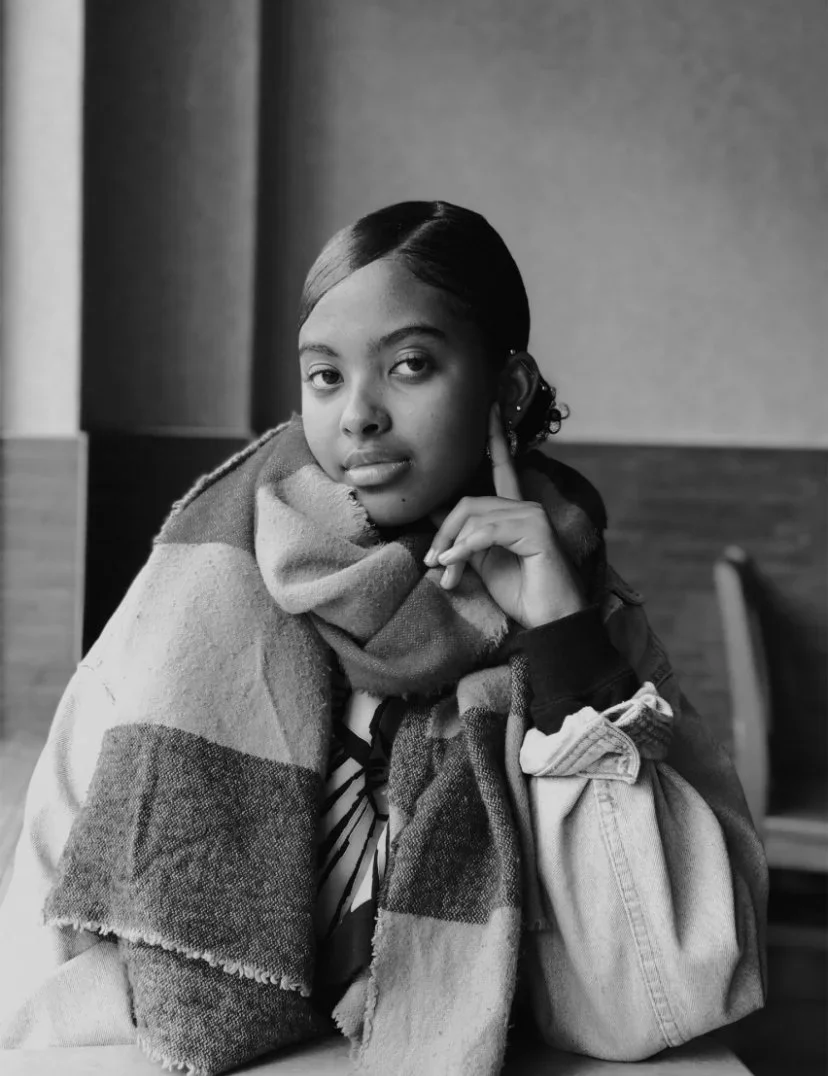
Nala Haileselassie is a Toronto-based multidisciplinary artist, filmmaker, curator, and researcher.

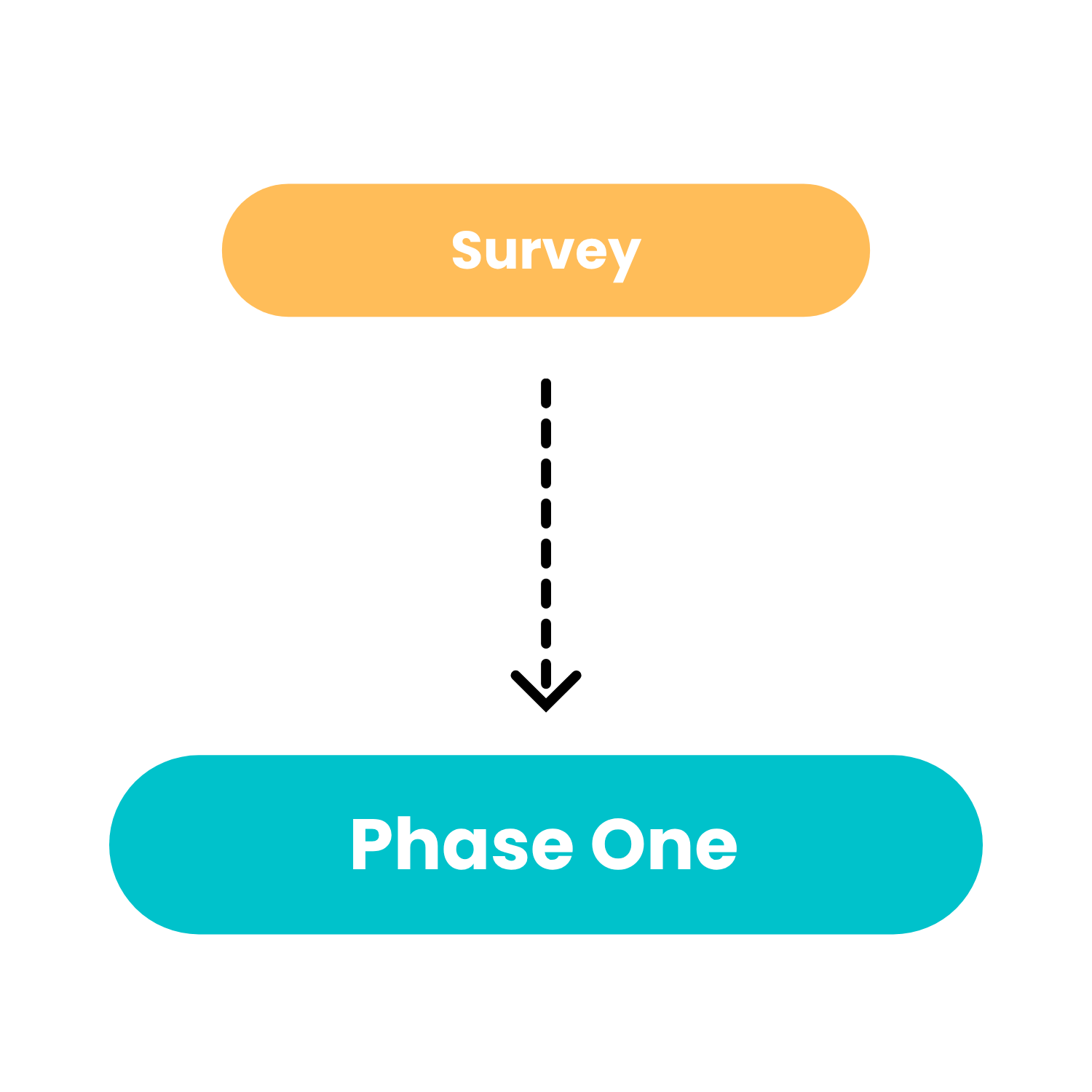
Project Timeline
Recruitment
Introductory roundtables


Collage-making workshop
Post-workshop roundtable

Curatorial workshop
Data Confirmation

Exhibition
“Exit Interview”


Research Questions

What can inclusive arts-based, research-creation methodologies tell us about the place of black girlhood in the Canadian cultural imaginary?

How might the creative self-making practices of Black girls living in Canada provide new models for theorizing the intimate connections between desire, identity, marginality, and belonging?
What is at stake in Black girls’ curation of an artistic counter-archive of Canadian girlhood?

Collage Workshop
The Toronto cohort’s first collage-making workshop was led virtually by the artist stylo starr.
Kisha, Desirée, and Nala co-facilitated the second workshop.

Curatorial Workshop & Data Confirmation
These sessions were co-facilitated by Nala and Desirée.
The Curatorial
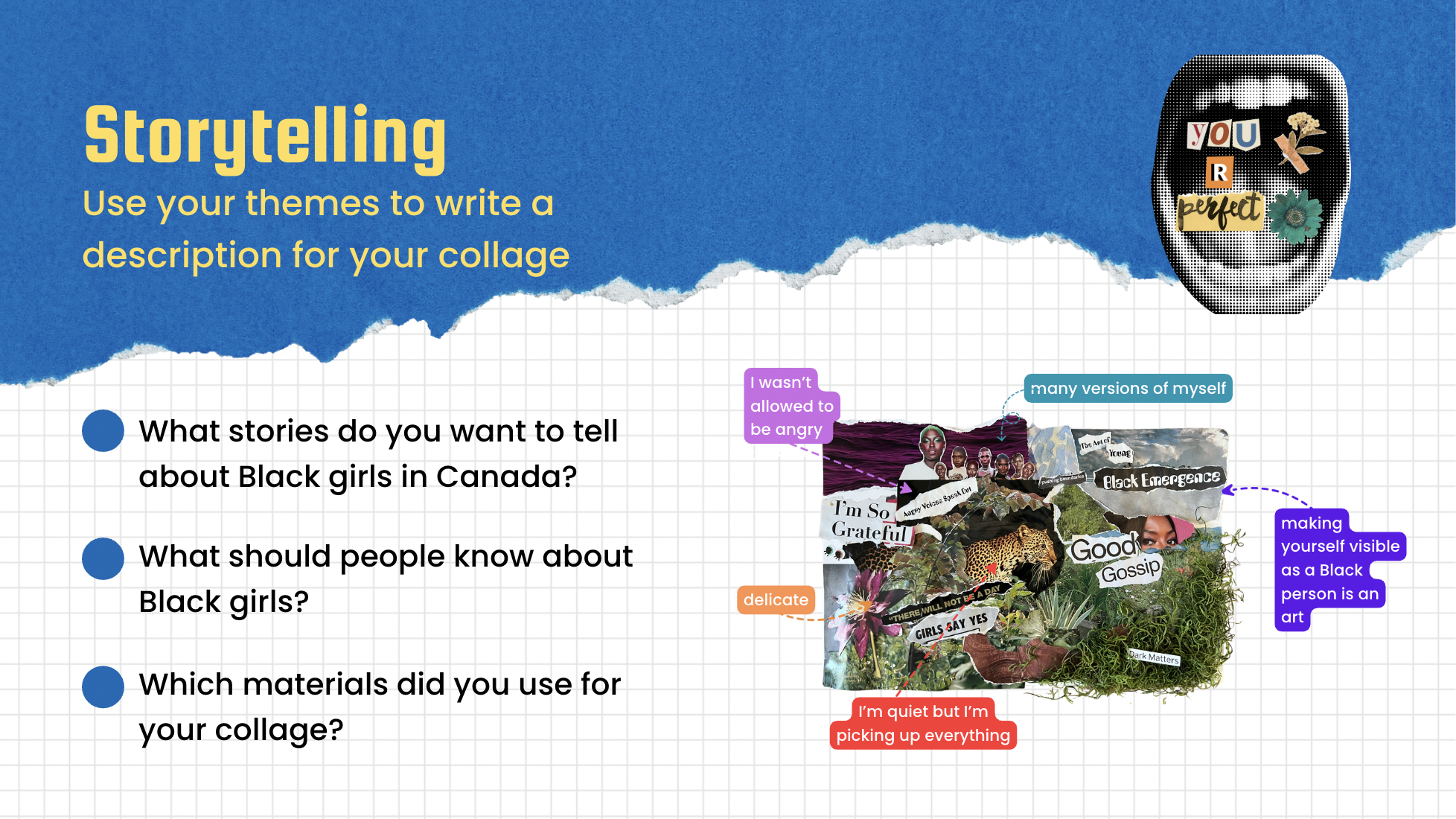
The teen co-researchers learned about the role that storytelling plays in the selection, arrangement, and display of artworks.
The girls identified common themes across their cohort’s collages and grouped the artwork to put them in conversation.
They wrote didactics to accompany their artworks.
Fact Checking
The co-researchers reviewed, clarified, and confirmed their answers to interview questions.
Selected Collages
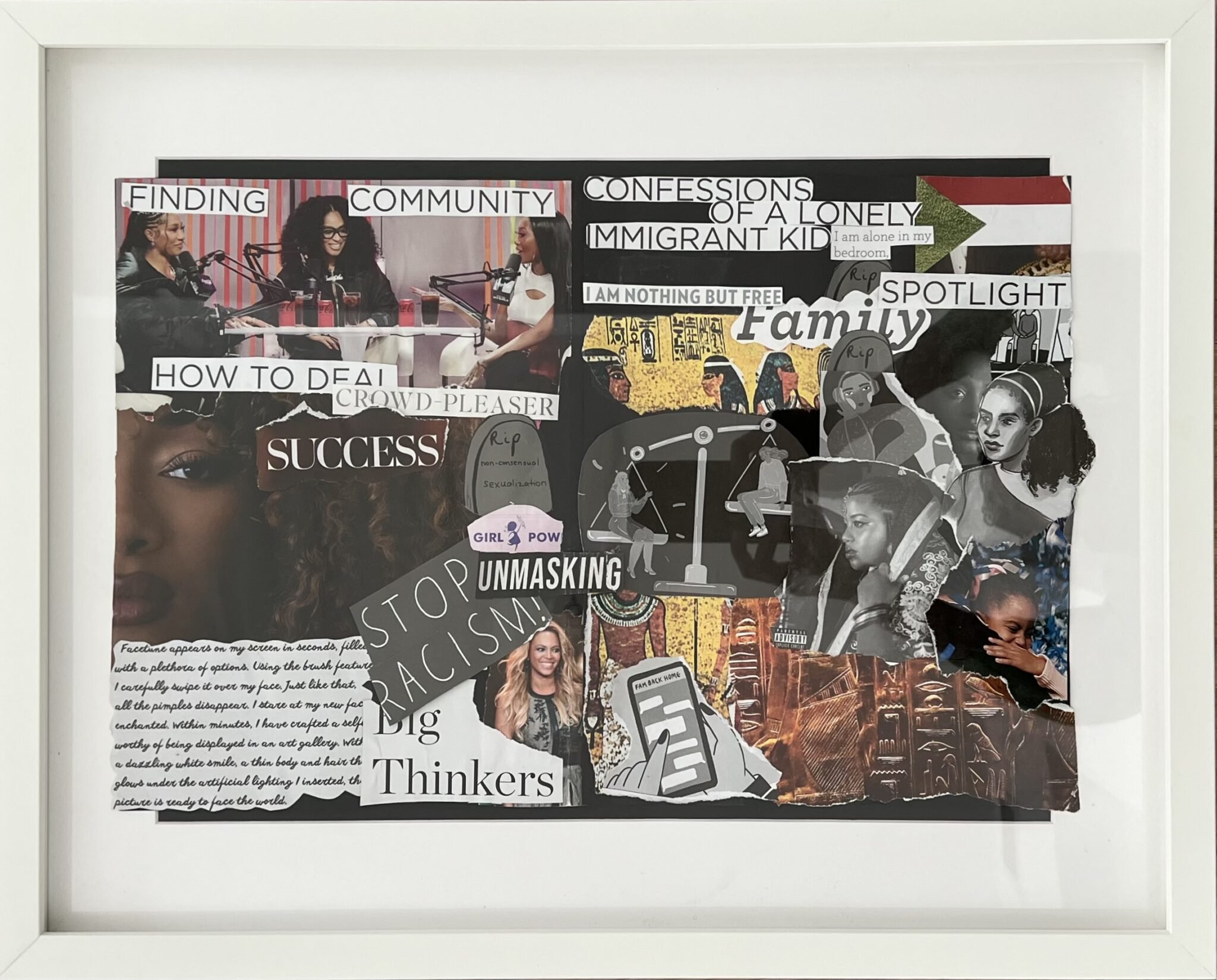
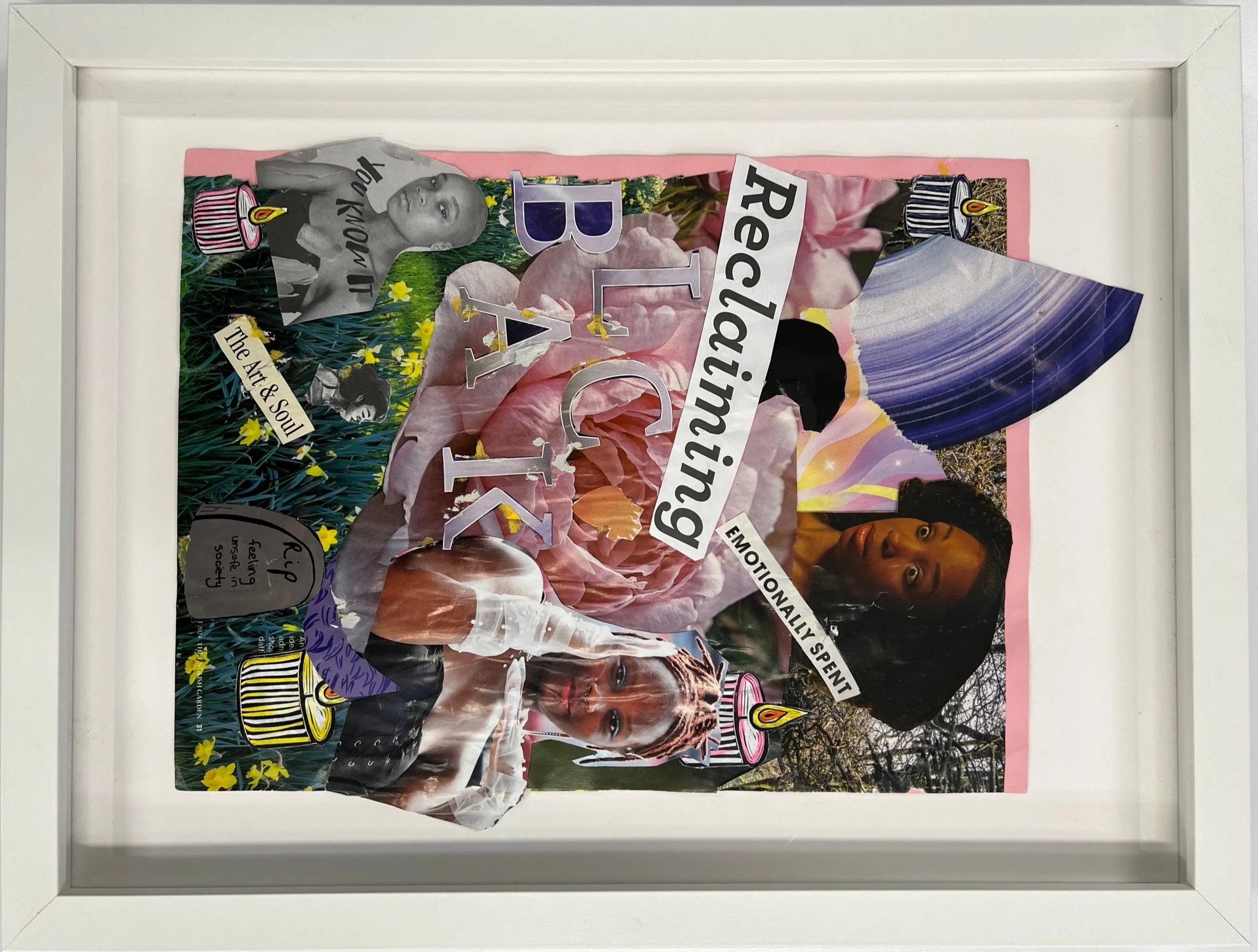
Danya, 18 (Vancouver, 2024)
Paige, 19 (Vancouver, 2024)
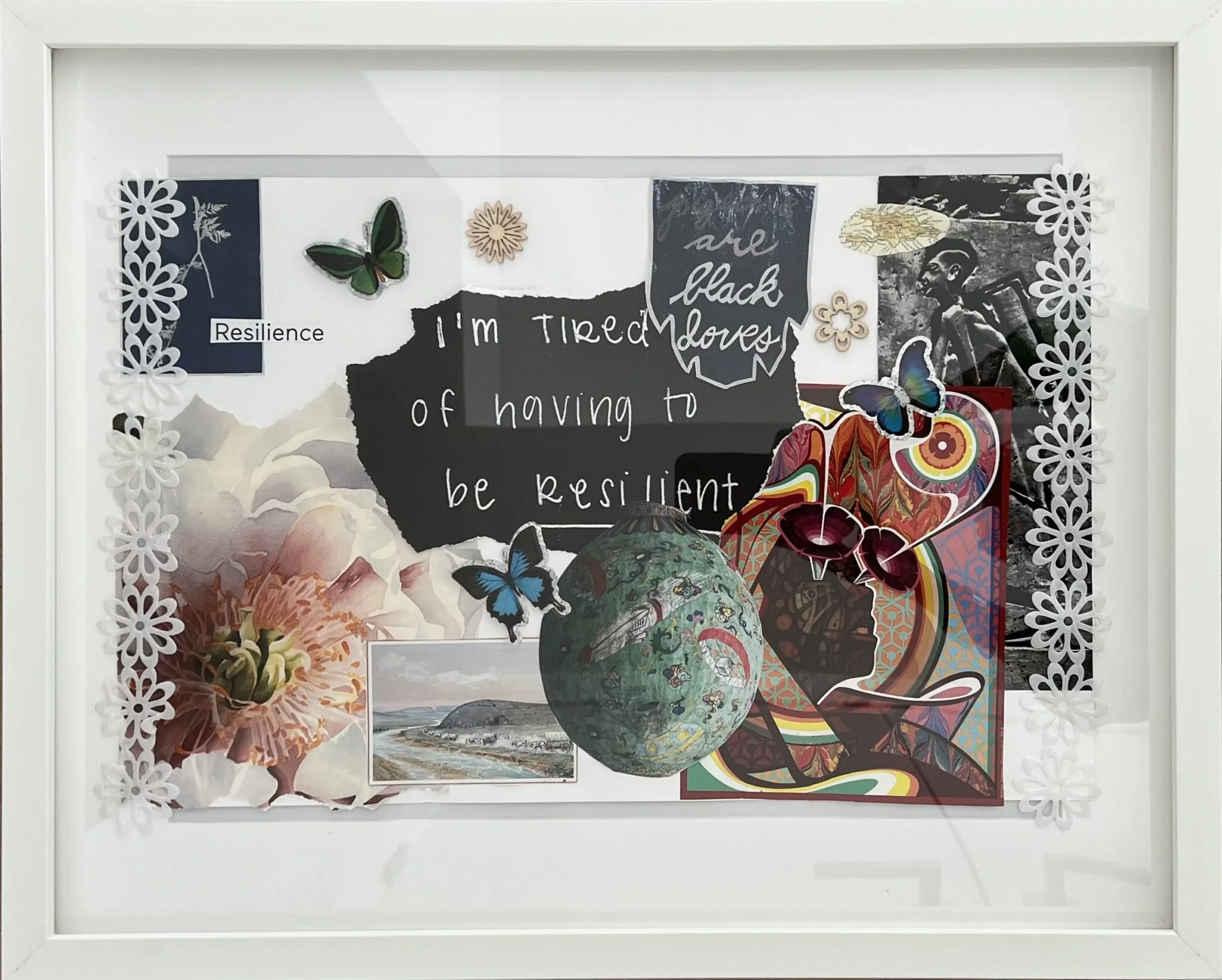
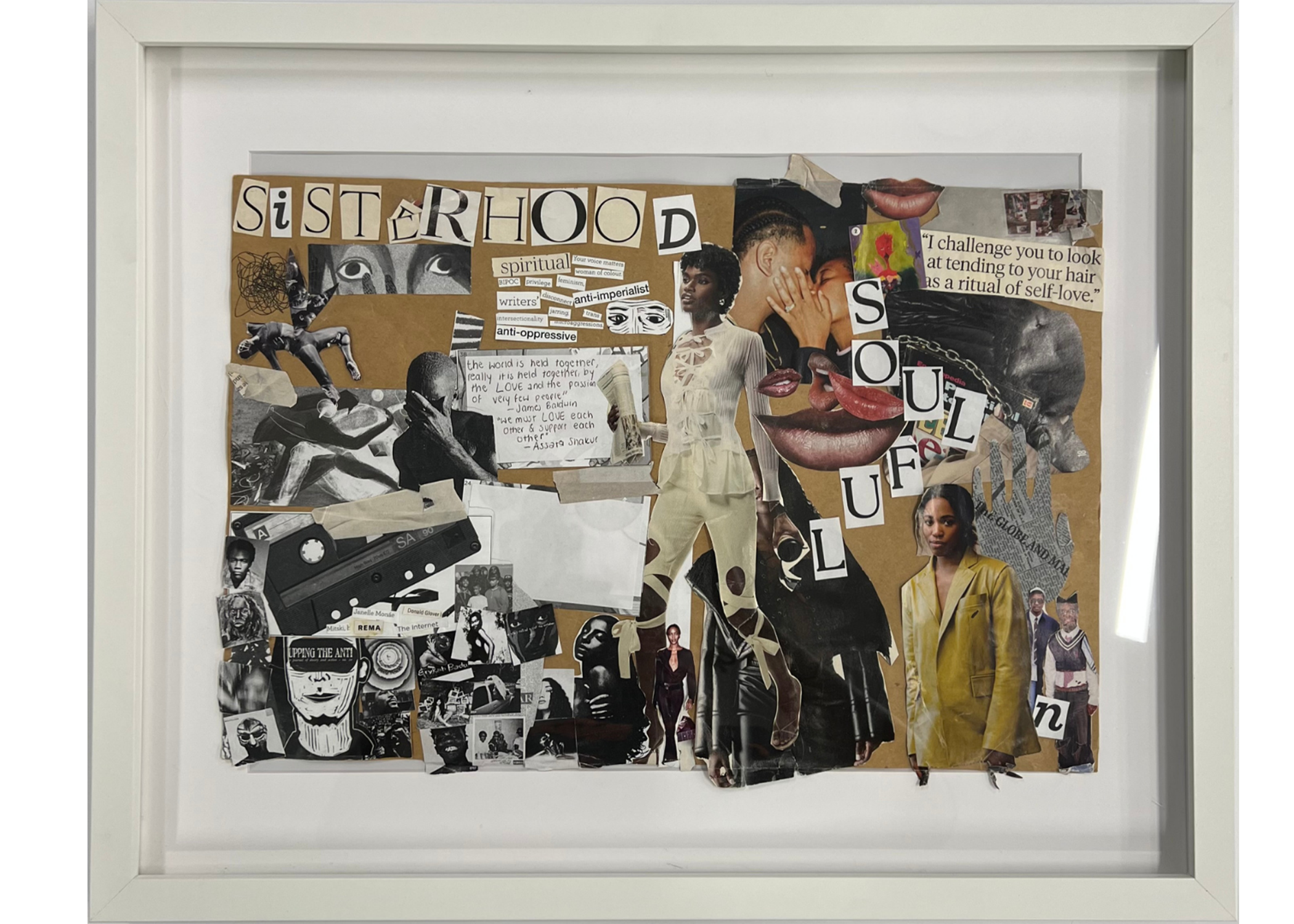
Sarai, 16 (Toronto, 2023)
Jane, 16 (Vancouver, 2024)
Love letters to Black Girlhood, Ep. 1
Mapping Black Girl Geographies and Belonging in Canada. (2025). 3 mins 43 sec.